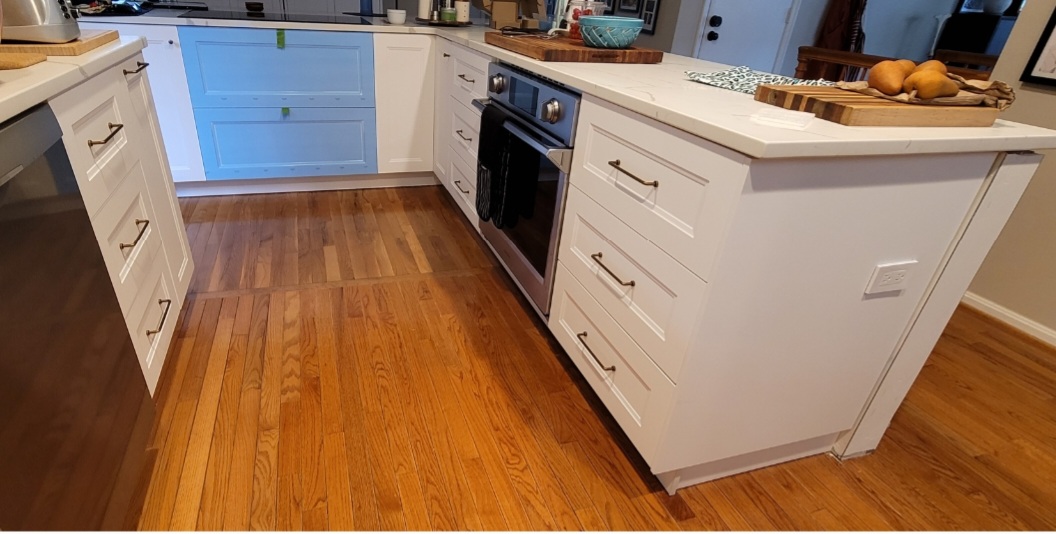
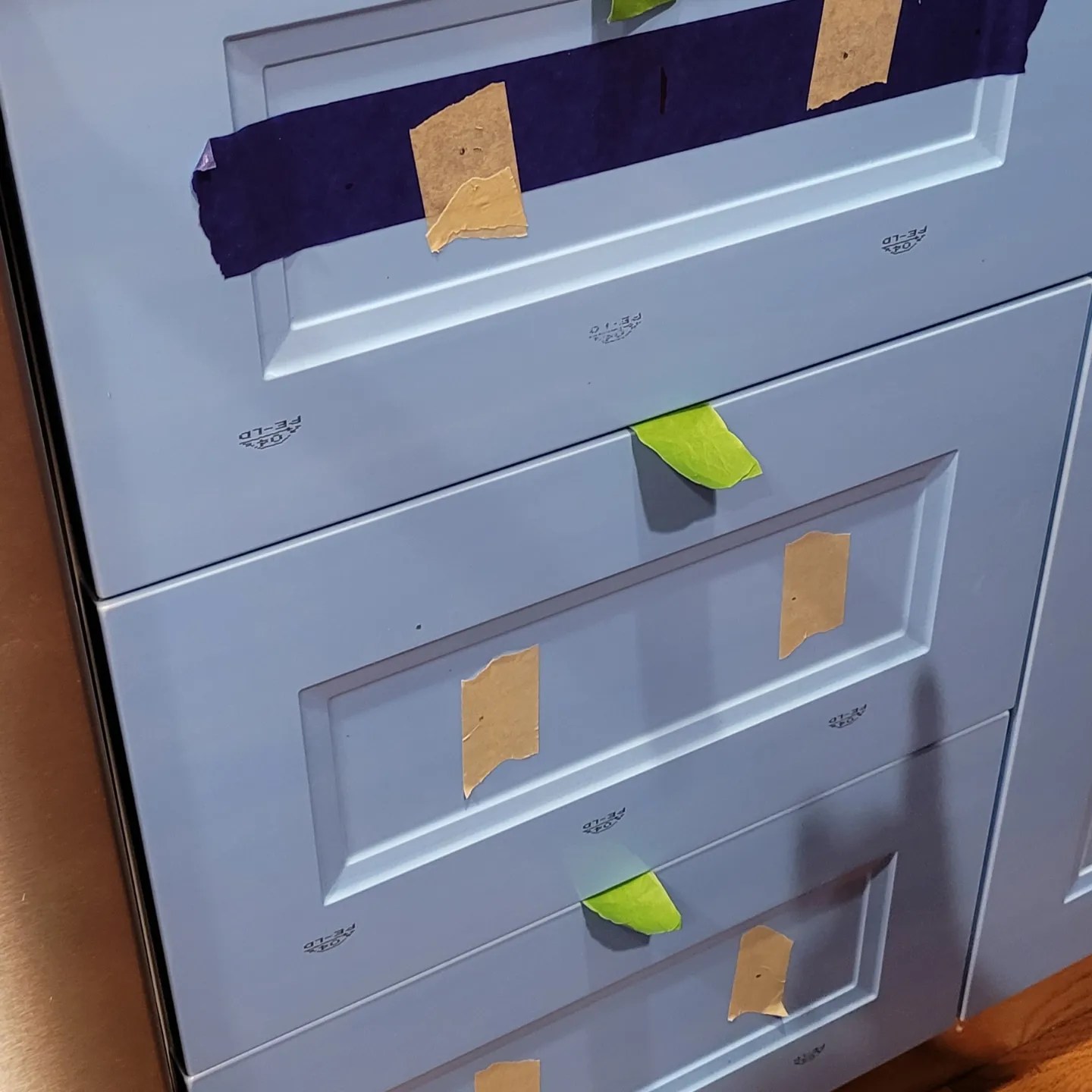
I am sure I’m not the only one, but just getting that blue cabinet protective film off and putting the gorgeous handles and knobs on has allowed us to see ahead into the future to what our kitchen might actually look like if it ever gets completed!
This is actually the first time we have seen the cabinets since we saw them in the showroom! Seems a bit risky now looking back, but thankfully, all’s well that ends well because we sure do love them and their crisp, clean lines.
Even more, we love the hardware we chose (the aforementioned jewelry!) We did have one minor setback. We held up the handles we were installing in our 24-in cabinets to the very large, 36-in drawers that go under the cooktop. Yikes! They looked puny! We thought about using two of them, but I really did not want to clutter up the drawer with two handles. Thankfully, we lucked out because the company had the same exact handle in the next larger size. There arrived yesterday, and we now have a winner for those large oversized drawers and pantry!
Our contractor would have installed all of the hardware for us, but I had major reservations about letting anyone else drill into our cabinets. I don’t think I could handle a crooked fixture (pun!) and I felt better having that in our control. At least this way, if we screwed it up, it was on us.
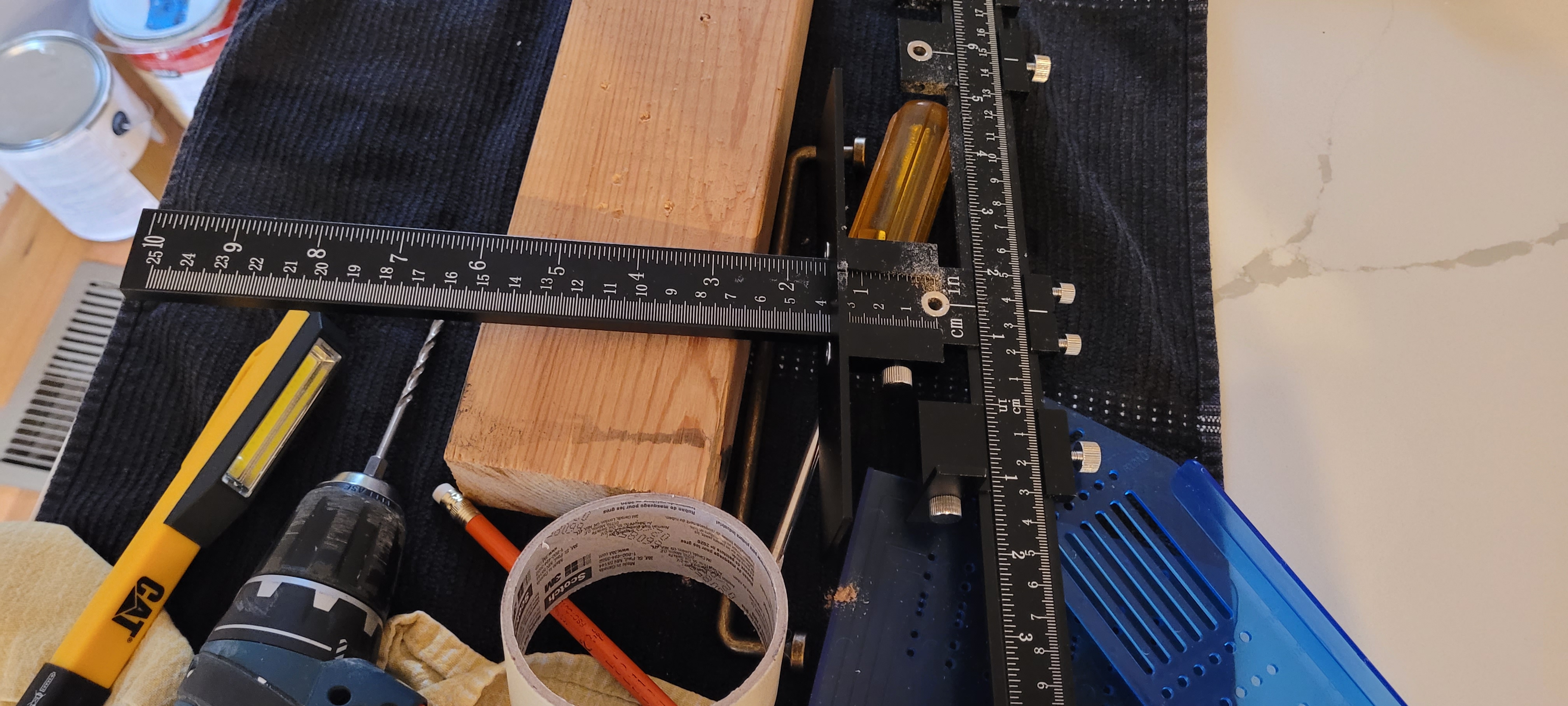
We did buy a cabinet fixture installation tool that has helped to insure every single handle or knob is spot on perfect. We have used the plastic kind of templates in the past, but for this renovation, and the expense of these cabinets, we invested in this tool which, to be honest, has a bit of a learning curve, but more than paid off to get perfectly installed fixtures.
A few tips for those who may be new to installing cabinet hardware. Go ahead and clamp a scrap block of wood on the backside of the cabinet as you are drilling. This will help prevent any blowouts on the back side. We also use a piece of masking tape on the front to prevent any splintering as the drill begins.
The last tip, make sure to measure anew each and every handle placement. Don’t assume your tool remained accurate. We found that we bumped it or dropped it several times and that changed the reading just a tad. So, go back and make sure everything is correct for each and every cabinet. We also double checked each mark before drilling with a tape measure just to be certain. It was probably overkill, all that measuring, but we are thrilled that with 15 cabinets down and eight more to go, our track record is strong.
As we sit on our perch at the 22 mile-marker at Cleveland Circle in Boston waiting for the race to begin 22 miles west of us, I thought this interview with the kid might be interesting to newer runners out there who may not know where to begin or to runners who are wondering how to incorporate a vegan diet into pounding the pavement 100 miles each week.
For this 2022 marathon, I trained on my own. I wasn’t training with a team because of COVID. I am also heavier than I was for the second Boston, even though I am actually eating healthier. The training cycle has felt pretty stress free in its build up, pretty relaxed. It’s different, though, because I haven’t raced in 3 years, so that’s weird. Not sure what to expect on race day…
What motivates you to get up and run even though you haven’t had a race to train for over the past few years – and how difficult was it to train on your own because of the pandemic?
I was afraid to lose my fitness, so I tried to capture as much of it as I could. I knew I needed to change things because it was going to be different for a while and I didn’t know how to measure a successful training cycle, as I would have done in previous years with marathons on the schedule. I spent much of the pandemic focusing on shorter races to work on some of my weaknesses (speed work). That worked pretty well until I got hurt and then I decided to try and trust myself to continue my own training to get more fit rather than faster. It became a game of proving what I knew was for right for me, I guess.
What would you say to an athlete who is considering a vegetarian or vegan lifestyle and wants to continue running marathons?
My first question to the runner would be, “Why are you wanting to do such a thing?” Don’t do it just because you think a vegan diet is healthier. I would do it because your body does well on a vegetarian diet. Or, do it for animals – that’s why I do it. It’s easy to be an unhealthy vegan. So, I would say, “Don’t do it just to lose weight. If you are doing it for health, you still have to be disciplined, just like with any nutritional regimen.”
What would you say is the main difference between the diet you had in the lead up to an earlier marathon and the diet you have now?
In the last year, I’ve been trying to eat more nutrients and vegetables and make sure that’s part of my diet, even though it doesn’t contribute to the typically carbohydrate-heavy running fuel, it does contribute to recovery and other parts of running. I tried to eat a lot more diverse diet than I used to.
Do you have difficulties getting protein in when you’re expending so much energy running each day?
If I did have problems getting enough protein, it would show up pretty damn quickly in my training. I’ve never had an issue recovering from workouts or runs. Not being able to get enough protein is not a problem for a vegan if you pay attention to what you are supposed to eat.
How did you get started running?
I was just looking for a new hobby to get into and I thought running would be a good challenge since it wasn’t something I was very good at. I found a local team to join and made a bunch of friends.
Were you were you intimidated to join a running club?
I mean, I didn’t really know which direction to even run around a track, so yeah, I was intimidated, but the team I first joined had a program for people that were newer to the sport. It ended up being pretty welcoming and easy to participate.
How long did you stay with that team and what came next?
About a year and then I started looking for a more structured program.
How did you know it was time to look for a more structured program?
I just wanted to improve faster and the team I had started with gave me a really good introduction to the sport. But, I tend to like competition and wanted to focus less on meeting new people in a meet-up type group and rather, join a group that was more more focused on competing. I just started looking around to see if there were teams around DC that were running at a more competitive level and reached out to a couple. One of the coaches I contacted wrote back to me, so I joined the new team.
What was it like running with your second team?
It was kind of the perfect balance of a bunch of really talented runners that were all improving at roughly the same rate. I had the benefit of training with the same group of teammates over all the days and weeks of training, and the personalities were a good fit for me. Plus, their afternoon sessions were available and since I like running in the evening, that made it an easy decision. I also like running with runners who were better or more experienced runners than me.
Was this group roughly at your level?
It was a big group so there were plenty of runners at my level at any given time for me to run with, but there were a lot of runners better than me on the team, too, which always gave me something to kind of strive for.
How did the pandemic affect your running, especially with the team you were on at the beginning of the pandemic?
I started a new job just before the pandemic hit which changed my schedule up. I wasn’t able to meet up with my team as often as I used to, so out of necessity, I was doing a lot of running on my own. Obviously, most of the races I had been training for were cancelled, so I knew that the focus would have to shift because races are such an easy thing to motivate and train for. I ended up using the down time to try to focus on some new distances rather than waste a whole season training for a race that would most likely be canceled. I was just trying to use the downtime to try something new that would improve and offer a different aspect of my running.
Did you run when you were younger?
Nope.
What sports were you involved with when you were younger?
Sports where hot dogs were easy to obtain? 😊
I played baseball and golf mostly, but focused on golf in my young adult years.
Do you think any of those sports prepared you to be a good runner?
Yeah. Golf has a weird amount of parallels to running, even though it’s physically so different. There is a lot of planning, especially in the competition aspect of both golf and running. I’ve found waking up early and getting to the course and thinking about the racing plan to be familiar to what I experienced on match day in golf. And, everyone’s got these pre-race rituals that are very similar to how people operate before golf tournaments. It kind of felt weirdly comfortable. Both sports also offer a good amount of alone time during competition and you have to be okay with your managing your mental game, so I think golf helps with that.
What about the mental aspect of running? What do you do to prepare mentally for the inevitable pain that you’re going to endure on the course?
In my training in the run-up to a race, I tend to find the days when I am not feeling great because of stomach issues or something that just isn’t going right, to use as motivation. If I could overcome that feeling during my training, I could translate that into motivation (and not panicking) on race day. If I could generate a decent workout, through an injury or mild illness, even if my paces were off, I try to capture that for a race day issue. I try to focus on that feeling and remind myself before the race that even if it isn’t a great running day, physically, mentally, or even weather-wise, I have worked through something similar in training. I’ve learned to deal with the pain that will inevitably show up rather than what just feels good or easy.
If you were coaching a young person today, what would you tell them to think about when they hit a wall mid-race?
I would tell them that they probably shouldn’t hit a wall if they prepared properly with their nutrition. So, the first thing I would tell them is to practice eating race day food properly in the days and weeks before a race – just like in the physical training for a race — so that you don’t hit a wall. But, if you find yourself struggling to get over a physical or even a mental wall (and, we’ve all been there, it’s a long race!), I would say, just grind on for a couple of minutes and focus on getting through whatever thing you’re suffering from. I have found that pain usually tends to ebb a bit and in another mile or two it will probably begin to feel easier again. If you have to slow down a bit to get your feet back on you, it’s OK. There’s plenty of time. Don’t panic.
Does the crowd give you energy?
I think when I’m having my best days, I’m very internally motivated and I don’t tend to focus too much on the noise and stuff. For me, the crowd is a really useful tool when things aren’t going great and I try to not ignore the cheering, especially if I’m struggling. Just let the crowd create some free adrenaline for you to push through whatever it is – whether it is a big hill or the last mile or two. So, yeah, I mean the crowd definitely helps. I just I think if I was having a great day, I could probably do well on a quiet course, too, but for me, it’s always nice to have a big race city like Boston. It’s kind of like an added security blanket for me because if things aren’t perfect, I can use the crowd’s energy to compensate a bit.
What are three things you do that most runners don’t typically do?
I eat a lot more than most runners — like purposefully, not just for fun. I don’t ever listen to music when I run, which I guess is a popular thing for a lot of runners to do. I kind of like to just listen to my breathing and focus on the feeling I have when I’m running rather than looking at the watch or whatever. I also tend to run by time more than by mileage, except for some key workouts. I’ll usually just run for an hour or something and my pace is my pace, but I think a lot of people get really hung up on mileage or hitting splits.
Does it take a lot of money to be a competitive runner?
I think more than people realize. I mean, shoes are expensive and the more you run the more you wear shoes out. I go through a pair of training shoes every month and race shoes are a couple hundred bucks now. Additionally, I might have a speed shoe, too, so the more serious you get, the more stuff you tend to buy. Also, my food costs a lot more money because I have a bigger diet. You need to eat higher quality food because you’re going to have to recover from big workouts.
It’s not super expensive, though, compared to a lot of other sports, I guess. Ultimately, if you get more competitive, you are probably replacing some of your other activities and habits with running, so it’s more about refocusing what you spend your money on. Of course, there’s the cost of going to the races and staying at hotels and all that that entails, so sure, I mean it’s not free. If you want to try and run races and compete, you probably have to invest a bit in the sport.
If you have somebody who can’t afford all of the stuff you listed above, ist is there a way to do it more economically?
Yeah, I mean you don’t need super expensive shoes to race, for sure, and I think you could focus on local races, which would save probably the biggest chunk of change. Focus on your hometown marathon or half marathon or shorter races. If you’re going to do marathons, you need to make sure you’re doing the right amount of volume each week, so I don’t think it’s smart to skimp on shoes, but if you’re on a budget, you can certainly look for last year’s shoes, which are usually on sale each season.
What about coaches — is it important to have a coach or is a do-it-yourself model better?
For me, I think it’s helpful to have a coach. I think even if the coach does nothing other than just look at you at workouts, it helps. It’s really hard to stop yourself from overdoing it or running too hard or too much, so adding a coach can be a useful barrier to protect you from yourself.
Some coaches can offer really creative training and that’s great. It is really easy to fall into a trap at looking at other runners who are having a great training cycle and say I want to go do whatever they’re doing. But, a good coach can help personalize your training program since everyone is so different.
Let’s talk about weight control and weight. What have you done personally to maintain your fitness, how have you changed over the years, and what have you seen in terms of weight management on courses? Are female athletes particularly susceptible to weight issues?
Hey, there’s an obvious notion that being lighter is faster, but I think that is hopefully being debunked. I can only speak from personal experience. I lost a bunch of weight as I started training, but I didn’t lose that weight to become faster — it’s just a natural byproduct of going from no aerobic exercise to doing that predominantly burns a ton of calories. As I’ve gotten better at running, I’ve had seasons where I’ve been 10 pounds lighter and some where I have been 10 pounds heavier. There’s no correlation in my performance to that weight, but it is my own personal experience. It’s more about my general fitness and how healthy I am.
I’m a male, so can’t necessarily speak to how female athletes deal with body image, fitness, and weight management, but I do think there are some differences with between our body types (obviously). I think what we’re finding out, specifically if you look at elite female runners, is that they are getting stronger every year and whatever perceived disadvantage there is from an extra pound of body weight is clearly being outperformed by the extra strength and health that the runners are encountering. You’re seeing a lot more weight lifting strength programs being incorporated into elite marathoning plans and I think it’s showing up in the times. For me, strength and fitness are way more important than weight.
Give me your time trajectory from your first marathon to today and how long it took you to get there.
I think I had my first marathon (not Boston) was in 2013 and I ran 3:58. My last marathon, before today, was in 2019 and I ran a 2:37. I started running in 2012, so I guess eight years ago, the trajectory was steep, so I was cutting off big chunks of time. I think it went from like 3;58 to 3:30 to 3:05 in something like 3 years.
Yeah, but now it’s much more incremental. I find myself going for a minute PR here or there, sometimes even less. Nowadays, any PR equals a good performance at this point. It is important to remember that I didn’t a running background, so I had a lot more improvement up front because I was new to the sport.
Do you change your diet the day before a race or in the days ahead of the race?
Yeah, I mean I tend to always eat fairly healthy anyway, but when I’m not training, I can indulge in a lot of vegan processed food. I’ve always said being vegan is not a healthy choice, it’s an ethical choice. It’s easy to be on an unhealthy vegan.
In the offseason, as I think about started a new training round, I’ll start to clean my diet up. Usually about a month out from a race, I’ll try to get a little more strict and cut out sweets and limit the processed food.
About three days out, I kind of take another step and focus more on carbohydrate intake. I’ll up my overall intake and try to re-balance my calories so that it is more biased toward carbohydrates.
I usually try to get about 2/3 to 3/4 of my calories from carbs and then on the last day before a race, it is not actually that much food that I consume –the total calories aren’t going to make any really difference. It’s just very much about being carb-focused like maybe like 75-80% carbs
I try to practice this routine each week in the leadup so that I’m very familiar with the kinds of foods I’m eating — I’m just eating a little bit more than I would on a training long run. I really try not to change anything significant in the days leading up to a race in terms of taste profiles and I actually model all my training food the same way.
Those foods are all built around stuff I can buy in any grocery store and cook in any hotel, so I don’t have to panic or worry about the way a certain restaurant cooks something the night before a race. I tend to build everything out around things like bananas, polenta, oatmeal – so that way, I’m not stuck if I go to a city race with a restaurant that doesn’t have items I want on the menu or something.
The last question, what kind of mileage are you doing now in the lead up to your race versus what you were doing five years ago or seven or eight years ago?
When I started running my first marathon cycle, I don’t remember what I did, but I think it’s probably like 40 or 50 miles a week, which is decent mileage, actually. Then, as I started improving and getting a little more fit, I started playing with the volume. I was pretty fortunate I didn’t have any like real injury setbacks.
I have only had one real injury in seven years. I like the montra: you should only do the workouts you’re capable of recovering from!
So, if you’re only doing 50 miles a week, you shouldn’t do workouts like guys who are doing 100 miles a week. As your volume increases, you can do bigger workouts because you’re more fit, and as you get fitter, you can do more mileage.
In 2017 to 2019, I was mostly doing 90 to 100 mile weeks and that’s was fine for me then. It’s a really good way to get fit and I was injury free for all those years and running really well. As the pandemic hit, I had to take a little break from marathon training which brought the mileage down, so as I said, I tried to focus on building a little speed.
I thought it probably wasn’t the best idea to just go right back into a huge mileage season, so I kind of focused around 75 to 80 miles a week and a little bit of quality just to give my body the chance to recover from the big workouts I was doing. I think it’s a pretty good middle ground between high mileage and maybe a lower mileage plan. We will see whether that works in my favor on race day!
Our 9/11 story is far removed from those of our current neighbors and friends, many of whom witnessed the horror first hand here in DC and in New York. We were living in Knoxville, Tennessee, at the time and I had just dropped our only child off at school. As I did on most days, I went to the market before heading home.
Leaving the market at just before 9 a.m., an NPR announcer indicated that a small, likely single engine, plane had hit one of the WTC towers. He referenced an event like this happening previously, and said that while it probably was fatal for the pilot, the building was built to withstand something like a small aircraft collision. I remember not paying much attention because they went right back to programming, so I thought it must not be that serious.
By the time I got home, when they indicated a second plane had hit the other tower, I called my husband on the phone because we knew immediately, right along with everyone else, that this was a terrorist attack. We didn’t live terribly far from the Oak Ridge nuclear facility, and those were being locked down immediately because there were other planes in the air and they weren’t sure which ones were headed for where.
I immediately got back into the car and drove back to my son’s school, which was very likely headed into lockdown, but managed to pick him up and get ourselves home where we watched the news for what seemed like days. I remember when the non-stop news coverage finally took a commercial break and how terrifying it seemed not to have those announcers with us, even though their break was just minutes.
Our own connection to post 9/11 New York City happened two weeks later. We had a pre-planned trip to the city for a long weekend. We were supposed to fly into LaGuardia. I’d be lying if I said we didn’t consider canceling. It was right about that time that I got a call from a USA Today reporter who was doing a story on people who were going to be traveling to the city in the immediate aftermath of the attack — were we afraid, were we going to cancel, etc.
There was lots of encouragement by government officials to not cancel plans, and so I told the reporter that we were indeed planning to keep our date with the city, even though, up until that point, I wasn’t really sure whether we were going to be brave enough to go.I didn’t think we would be in danger, but I knew that it would be a difficult and sad time for residents there, and despite the encouragement to continue on with our lives, how that trickled down to folks who couldn’t really go about getting on with their lives in the city was an unknown.
So, we got on the plane looking each passenger in the eye as we walked down the aisle, unable to stop thinking about how those passengers on those planes just a few weeks previous must have felt.
What I remember of our four days there was what I know those living in the city had to endure day in and day out for months and months. Bits of paper were strewn everywhere, tiny, fluttering bits of paper. An overwhelming smell of jet fuel or burning rubber that just didn’t dissipate. Roads closed with hundreds of police officers and firemen in procession for funerals one after the other after the other. As the processions passed by, hour after hour, everyone on the sidewalks would stop for a silent moment of respect and gratitude, and then would continue walking.
The flyers affixed to every vertical surface in lower Manhattan were the hardest to see, two weeks in, when everyone understood that those flyers had now become memorials to the lives lost.
If you’ve followed along for the past 7 years, you know what we’ve been through and can skip to the last paragraph for the latest in a string of indecencies.
For those catching up, our respective back patios are adjacent, with a wooden fence between us. Their upstairs master bedroom and ours face each other, overlooking our respective patios and with just a small courtyard separating us.
When they moved in, we invited them over to dinner, introduced them to our neighbors, showed them how close our homes were, and tried our best to be nice people.
Then, their parties started.
Now it should be known that my husband and I aren’t too old to remember fun times and good parties, but this isn’t that. They don’t seem to be able to grasp the concept of close living. Parties on their patio continue regularly, even through the pandemic, when earlier this spring, 20-30 people gathered on their back patio for an all day/nighter.
In one of our many conversations with the police (who have told us repeatedly that we DO have a right to peace and quiet after 9 pm, btw), they encouraged us to simply call the police when they start, but we have found that it isn’t quite as simple as that.
The police certainly have more important things to do than show up on a weekend when a neighbor complains of noise. In good conscience, we simply can’t call them every time it happens.
We have always been happy to forgo formalities of a noise ordinance and have told our neighbors that, as well — and the day after one of their parties, when cooler heads prevailed, we went over to talk to them and ask (once again), could you please, please, please, ask your guests to go inside at the latest by midnight? We even brought a basket of chocolates and a fancy bone for their dog to sweeten the request.
They responded that it is their patio and their right to do whatever they wanted to. We have been entertained with their guests taunting their massive German shepherd (who actually is the politest member of their family) to bark through the night. And, then there was the time when a guest decided to play basketball against the side of their house at 2 a.m.
And, even when they are few in number, they are smokers, and so, even during the coldest months, we can set our clock by the every-20-minute smoke breaks out on the patio through the wee hours. Those breaks are always accompanied by screaming and shrieking and dog barking and all sorts of fun. By the way, they have a front porch, with a parking lot facing it (so they would bother no one), and yes, we have suggested that they move the necessary smokes to that location. Nope, that would make too much sense for these two.
The awesome times continued through the years. We bought ear plugs, slept in our guest room, and invested in a white noise machine, and noise reducing curtains and blinds. None are a match for screaming guests, barking dogs, and doors slamming and one time, a fist fight. At least that was entertaining.
In the early days of this mess, when the party was getting started, while they were still somewhat sober (a tip from the police!), we asked them if they might go inside before midnight. That was when they threatened my husband.
I swear on all that is holy, here is the exact request my husband made to them:
“Hey guys, y’all are really loud. Would you mind taking it inside soon?”
To which they responded, “Shut the F up dude. Keep complaining and we’ll f*ck you up.”
As I said, fun times.
There are no other neighbors affected by the noise. Ours are the only two single family homes that back up to each other in our section and trust me, we have checked with any neighbors in the vicinity, because we figured if they made calls to the police, too, it might help. No luck. The living spaces of the nearest neighbors are on the other side of their home and not in proximity to hear much, except the dog on occasion.
Their house sits at a crossroads, so they can see the police coming. On the two occasions we have called the police, they scurried inside, making it difficult for police to verify what we are dealing with. An officer suggested we audiotape (not video) the noise, which we have. But, and this is a big but, the two times the police have come, we were treated to all night retribution in the form of screaming and yelling once they left. We have decided that it is just too dang dangerous to aggravate them. Yes, we do believe they own firearms (ex-military).
It should be noted that the police warned us not to contact the neighbors again, but to go through the non-emergency number for any contact because of their volatility, so we have not tried again to reason with them.
We live in a very nice quiet, tree-lined neighborhood in East Village full of well-maintained single-family homes and lovely neighbors. We picked our home because it was a sfh, with nearly 3,000 sf, but little yard maintenance. Ha. Who knew that part would come back to bite us?! What we would give for a full yard between us.
Yesterday morning, we were woken up at 6:45 am when a team of roofers descended on their back patio to set up for a full tear/down re-reroofing of their home. They brought ladders that they set up in our side yard, the tar paper and boards were flying everywhere along with many, many nails. It would have been impossible under the best circumstances to not allow debris (lots and lots and lots of bits of paper and wood and old shingles) to litter our yard, but the ladder in our side garden really pissed me off, given that we had just had new bushes and fresh mulch installed.
We understand that home maintenance in tight quarters needs to happen. And, if I’m being honest, having spent the last seven years watching trees grow out of their gutters and moss grow on their roof, it is a welcome sight. The noise and chaos is not the problem.
We’re early risers, so that doesn’t bother us, either, but what is so damn cheeky (downright rude) is that they gave us no notice. We had no flipping idea that we might need to move our home offices to the basement for the better part of the week. Who does that??
They do, of course.
They are not home, by the way. No answer on their phones, no answer by texts. We went out to talk to the guys doing the roofing and asked that they kindly move their stuff out of our garden, but that if they needed anything, we could help get it for them.
Day two has arrived and at the stroke of 7 a.m., the banging has begun.
SO, this morning, amidst the clanging, and shouting, and loud incessant buzzing of the compresser right outside our kitchen window, I find myself on Zillow looking at homes for sale anywhere but here.
Our first walk outside since the cicada invasion commenced. Cut to the chase: I lasted 29 seconds. Between my screaming and the deafening sound, JohnR agreed that I’m not ready to re-enter proper society at the moment and thus, will not be seeing anyone until mid June. They are everywhere — and the sound? Like a low-flying jet that never lands, just continues the high-pitched whining. I actually could manage the sound, but there are masses of these things, in various states of hatching, dying, mating, and flying everywhere.
I lived in the south for many years. People have a romantic notion about cicadas down there. This isn’t that.
This is a dish that most certainly would not have made it onto my Irish Catholic mother’s childhood dinner table, and yet it regularly found its way onto ours growing up, courtesy of her husband — my father — and his Eastern European heritage.
Kapusta, or more accurately, Haluski
The dish, correctly known as haluski, happens to be the national dish of Slovakia…who knew?!
Unlike my paternal grandmother Baba, my mum was neither fluent in Slovakian nor Slovakian cooking. She was, however, determined to try to learn to make her new husband happy(ier). She likely learned the Slovak word for cabbage – kapusta – from the many dishes in which the star ingredient appeared regularly at family gatherings on my father’s side. Kapusta this, kapusta that, always with the kapusta. Learning how to make halupki (stuffed cabbage) the Slovak way with my father’s idiosyncrasies baked in (no onions!) was a mean feat for a skinny girl from the Irish section of Bayonne. And so, in our family, she named the dish kapusta and forever shall it be in my own kitchen.
Having said that, and with a very quick Google search, one learns that kapusta and haluski are actually rather interchangeable, depending on which country and which cook is promoting the dish. Additionally, there are as many variations of the dish as there were appearances by Slovakia in the Ottoman Empire during the late 17th century, so, basically, lots and lots.
My mother must have been dismayed early in her marriage to learn that she was not going to have the luxury of depending on fish for meatless Fridays in our Catholic household. Dad was not much for fish, nor were their two progenies.
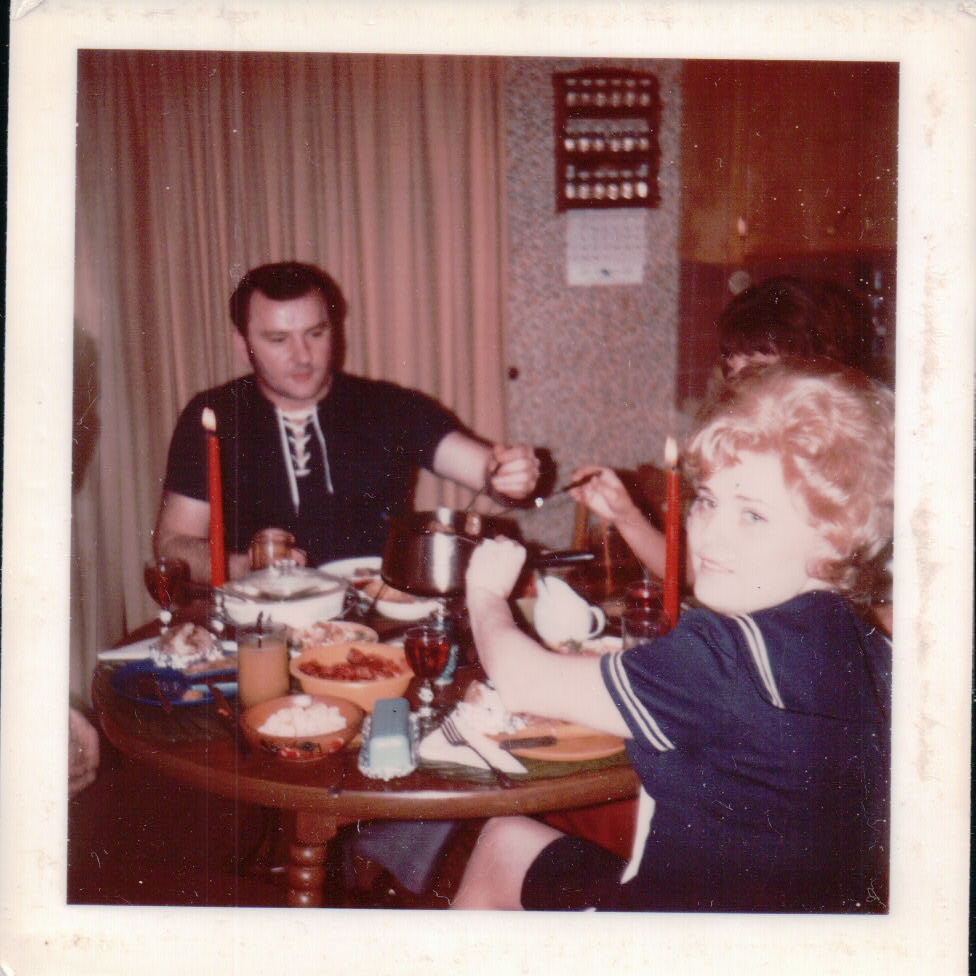
A true 70’s style fondue was more my mother’s speed
I imagine, in my head, that in those first years of marriage, she would have marched herself over to her devoutly Catholic mother-in-law’s house to find out what, in fact, the golden boy would eat on Fridays (that would be my father, only son to a mother who believed that the sun rose and fell with him and brother to two older and bossy, but doting sisters – his words, not mine…)
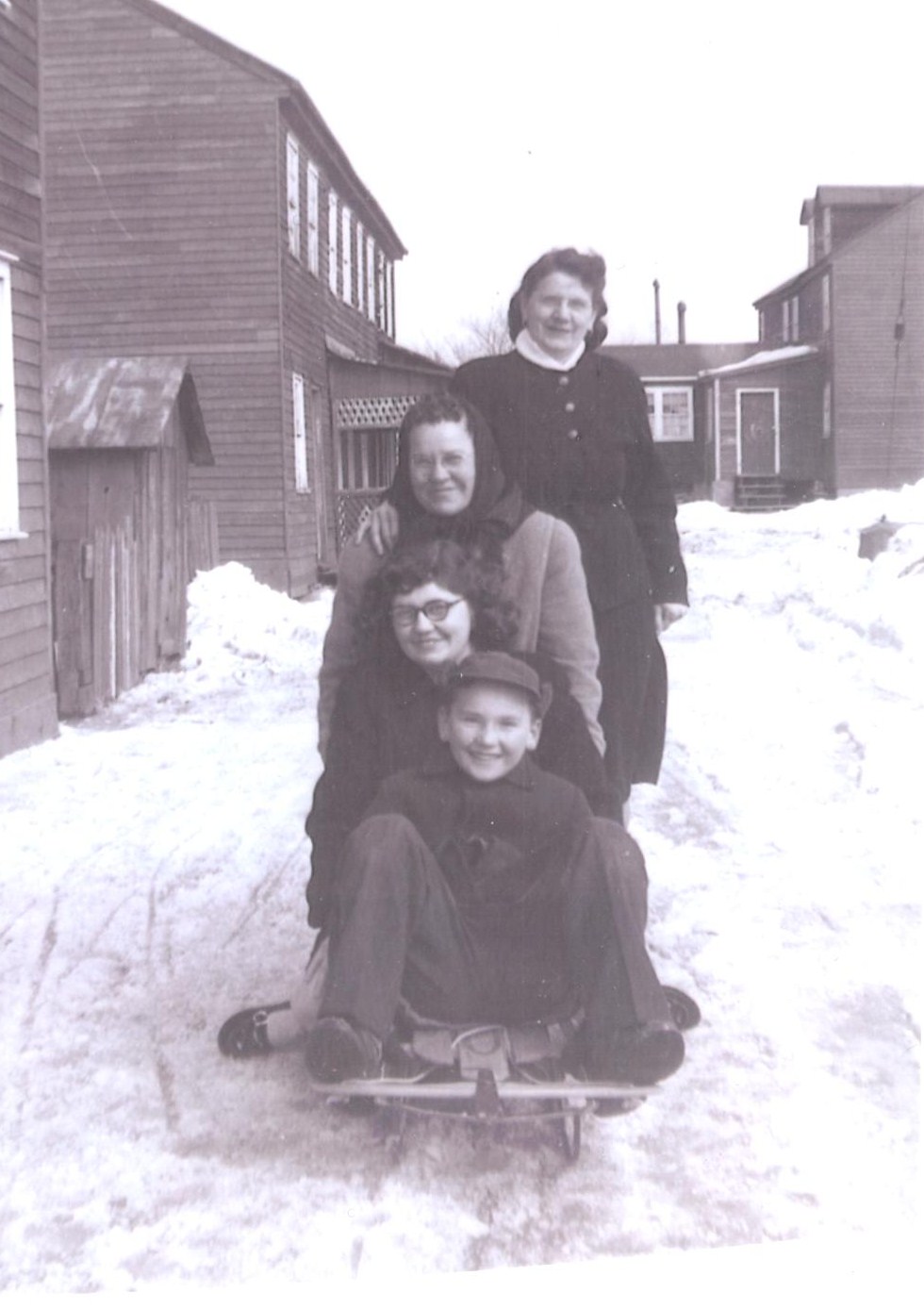
Despite looking like it was taken in pre-war Krakow, this was actually circa 1950 something in upstate Pennsylvania…
Mom turned out to be a quick study, likely due as much to her intelligence as it was to her estimated bandwidth of tolerance in taking direction from a drill sergeant…that would be my grandmother.
It was during lent that this dish rose to fame in our Ohio household, a state to which we moved when I was in elementary school. Many hours’ drive away from our hometown of Philadelphia, and without a Google box, my mom relied on her memory of those lessons and her creativity to make this particular dish.
While other dishes regularly made it into our Friday evening meal, things like meatless spaghetti bakes, grilled cheese, baked potatoes and salad – kapusta was a treat even on non-Fridays, and on those days was often fortified with bacon, always doused with copious amounts of parmesan cheese.
Traditionally, haluski is a humble dish consisting of nothing more than lots of butter, sautéed cabbage and onions, salt and pepper, and then tossed with medium-wide egg noodles. The medium-wide sizing of these noodles was a non-negotiable. My father would turn his nose up at a dish that contained wide egg noodles like a cat does a cucumber. (Have you Googled cats and cucumbers? It is a baffling phenomenon.)
The problem was that medium-wide noodles were not easily found back then. How did Eastern European families get them, then? They made them, of course! I don’t think I ever ate a store-bought noodle as a young girl when we visited Baba. I highly doubt my father thought one could actually purchase them in a grocery store until my mother quickly dampened any hope he might have had that she would become a noodle-making maven running around with an apron festooned to her waist.
No, my mother worked full time and making noodles was not going to be happening in her household unless her husband wanted to try his hand at the endeavor.
Instead, she sought out medium-wide noodles at grocery stores that specialized in items from the old country and when she could eventually find them in a regular grocery store, she broke the news to my father that his days of home-made noodles were over, unless he’d like to go home to visit his mom more often. Let’s just say, he learned to love those store bought beauties.
One more note on the importance of medium-wide noodles, at least to my dad. One of the last dishes I made for him before he went into the hospital in the last year of his life was kapusta. Despite having made the dish for him many, many times, he never forgot to remind me when I announced what I was preparing for dinner, “Don’t forget to use medium-wide noodles, Christine.” As if.
I laugh now because the dish, under my mother’s tutelage, became rather unrecognizable as a Slovakian dish. She Helene-ified it and frankly made it memorable and insanely delicious. What was simply braised cabbage and onions and butter before – and good on anyone for whom that is completely and utterly fine – became something altogether lip-smacking different in her kitchen.
It should be noted, my mom was not a cook — and she came from a long line of non-cooks, as well. My Irish grandmother could make a mean potato seven ways to Sunday, but past that, her culinary skills (and interest) were of limited use. Living so close to New York City and having a favorite uncle there who regularly would spoil my mother with dining out in his favorite haunts, she grew up knowing how to navigate a fine dining menu. She knew a good dish when she tasted it, but to cook one? She let others shine at that particular skill.
But, then came my dad and his heritage full of foreign favorites which forced her to learn at least some dishes he loved from his childhood. And, drill sergeant or not, his mother was the one to teach her. So, she learned the basics, “made them her own” as she liked to say, which usually meant quicker, tastier, and truth be told, rather unrecognizable as an old world dish. It did not hurt that her in-laws lived 700 miles away because I am not sure her modifications would have been held in all that high esteem.
For example, my Baba used to rinse sauerkraut before she used it in things like halupki. In fairness, this was probably done because she made her own sauerkraut and that required lots and lots of salt. (She also baked her own bread, made her own pizza, and probably cured her own ham, for all I knew.)
But, my mother, who could certainly not imagine why anyone, ever, would make their own sauerkraut when there was a perfectly nice jar at the grocery store waiting to be purchased, admonished me to never, ever rinse the sauerkraut. EVER. “You’ll wash all the flavor out!”
She would add garlic where there definitely would never have been. Parmesan cheese, too, made a regular appearance in most any dish it might prove a benefit to, which, of course, meant most dishes.
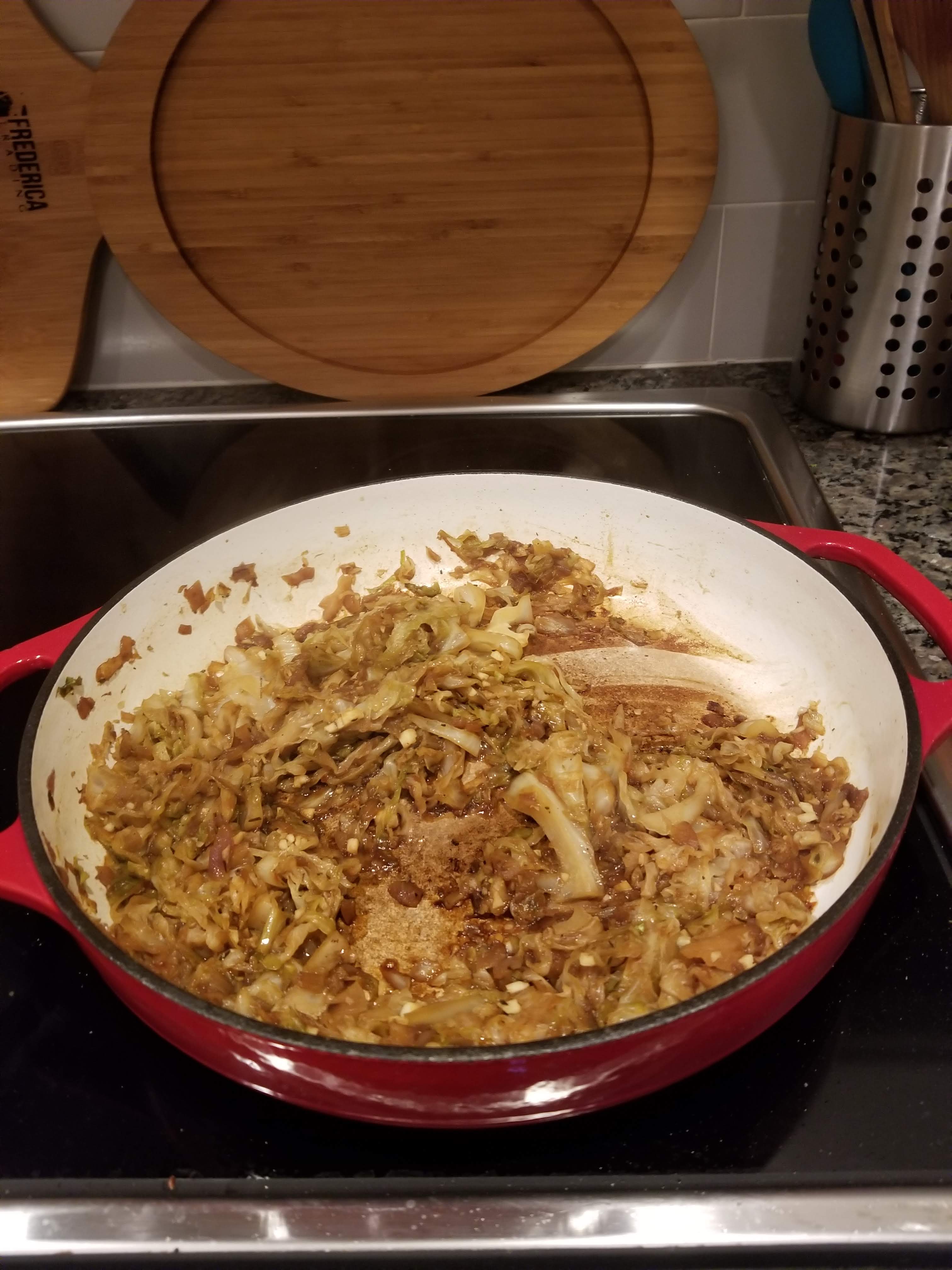
Caramelized cabbage is transformative, I swear!
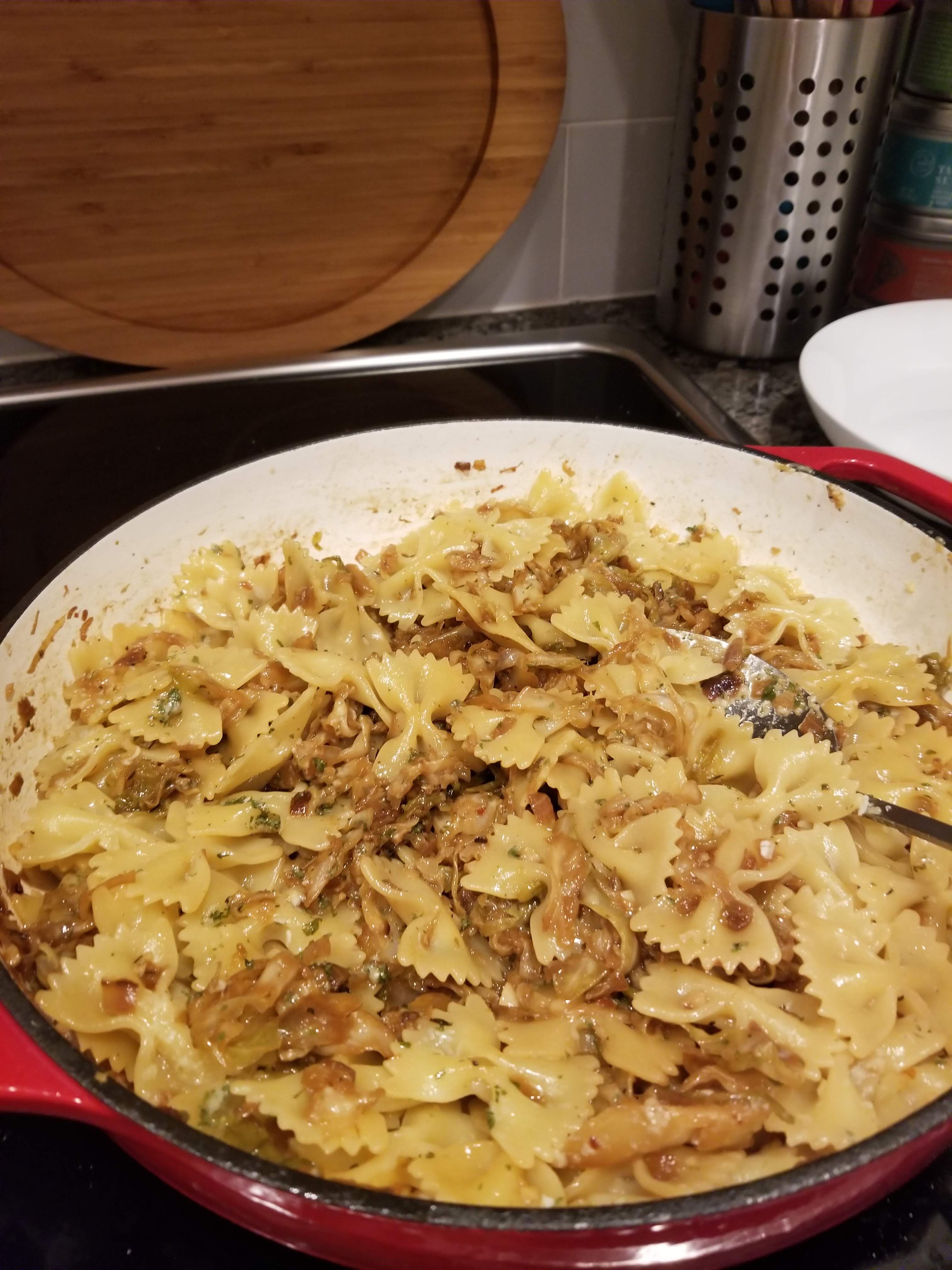
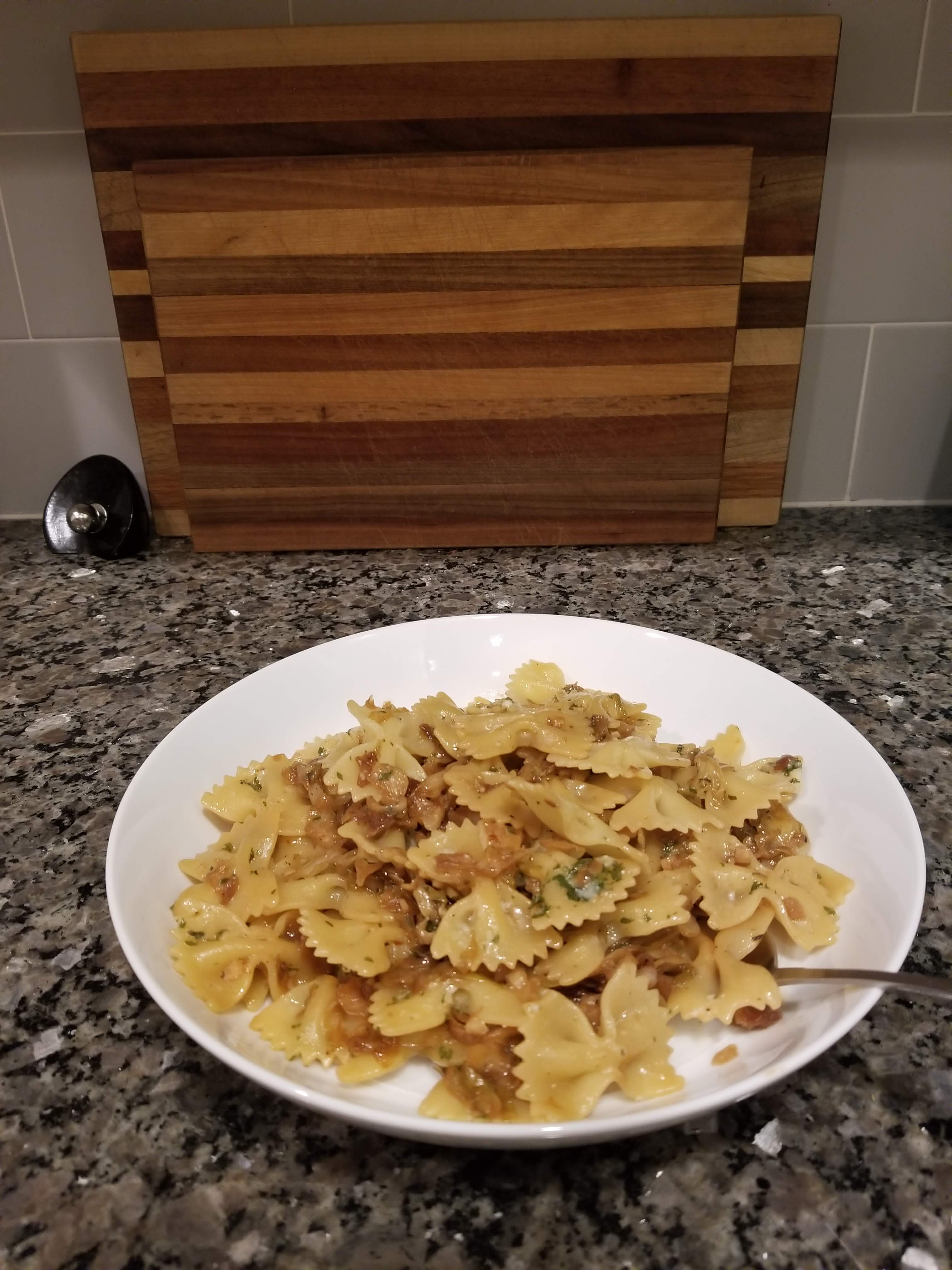
Kapusta was no exception. Braised cabbage? Nope, not in our house. Instead, it was roasted until sweet — seriously, caramelized cabbage is the only way to go. Other variations over the years may or may not have included a splash of wine, a drizzle of tamari, a sprinkling of French thyme, many (many) cloves of garlic, and always, always, loads of parmesan.
Blasphemy!
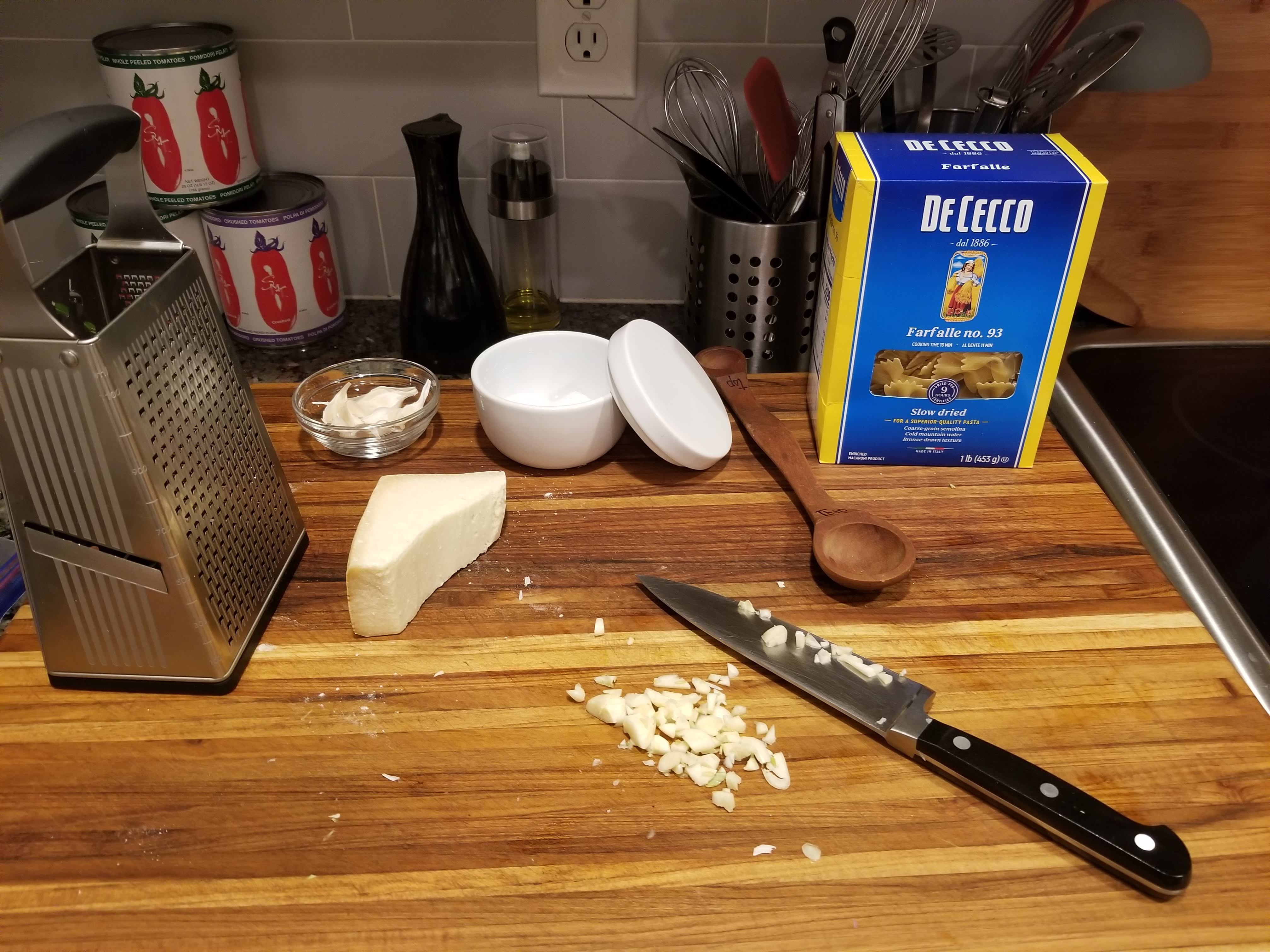
About those medium-sized egg noodles? Well, they went out the door the minute I took over the recipe. Farfalle is far prettier and has abundant nooks and crannies to capture all the goodness. Thank goodness my parents are no longer around to witness this blasphemy…
There is no recipe to go along with the photos – the ingredients are what they are: cabbage, butter, noodles, onion. Whatever else you choose to add will just be between you and your maker, but if your Baba is still kicking, you might want to hide the evidence.
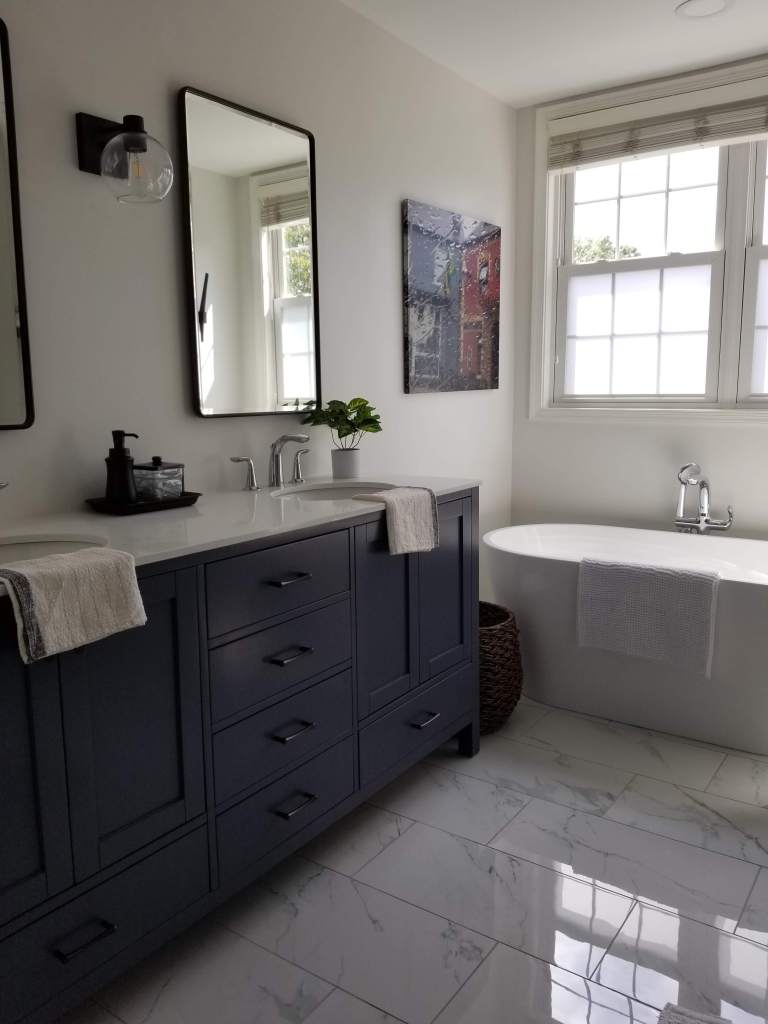
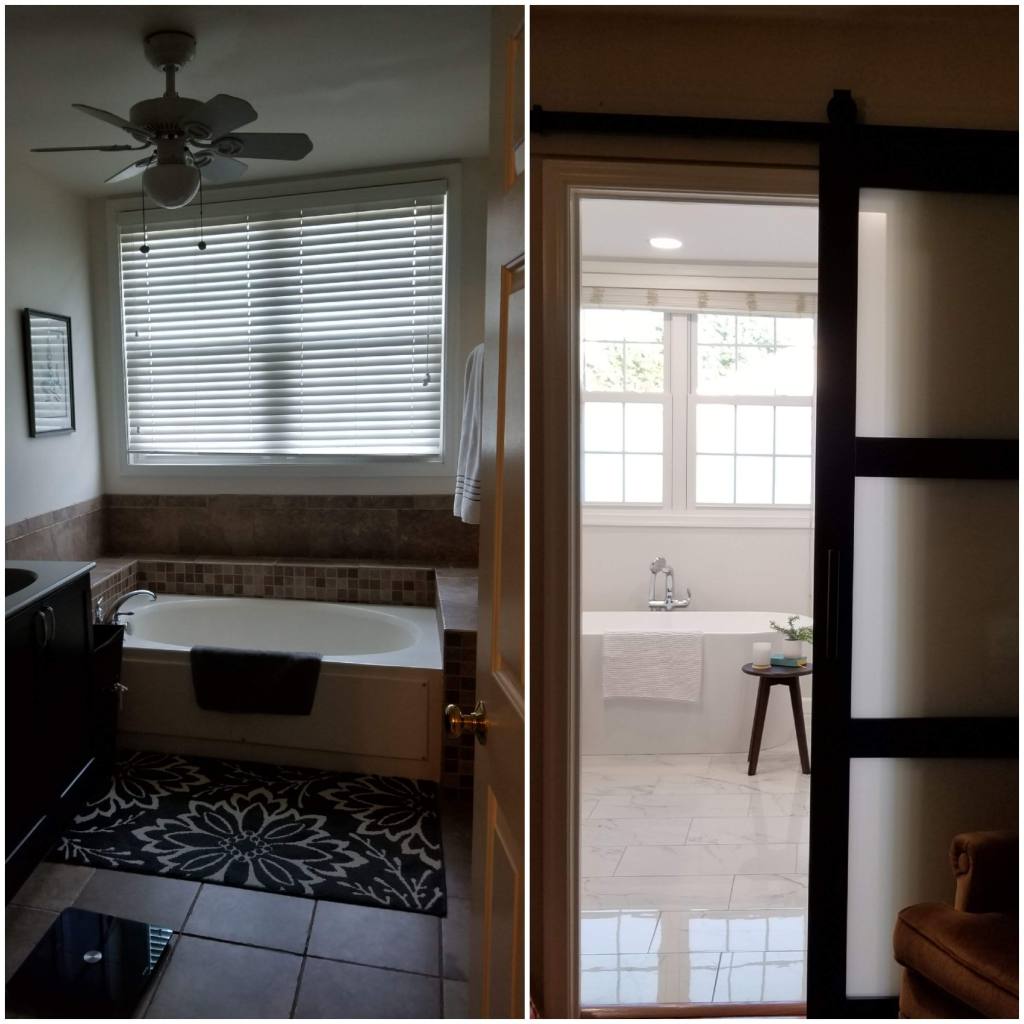
Getting to this final wrap-up has taken nearly as much time as the bathroom reno, itself! Not really, but it really dropped to the bottom of the list of many projects waiting patiently in the wings.
The day-to-day renovation is in my Facebook and Instagram posts — those daily posts served as a way to distract ourselves from the pandemic that arrived simultaneously on the day we started construction. Literally, the same freaking day the crew arrived, our state went on lockdown, except for essential services, of which home renovation and construction was deemed necessary. We thought this was a stroke of luck.
It was not.
We proceeded for the first week, back when we had the luxury of thinking all we had to do was wash our hands frequently. As our luck would have it, the renovation stopped nearly as soon as it started. A week later, we had a long conversation with the construction crew and asked them to take a few weeks off, until, you know, this whole thing blew over. Ha.
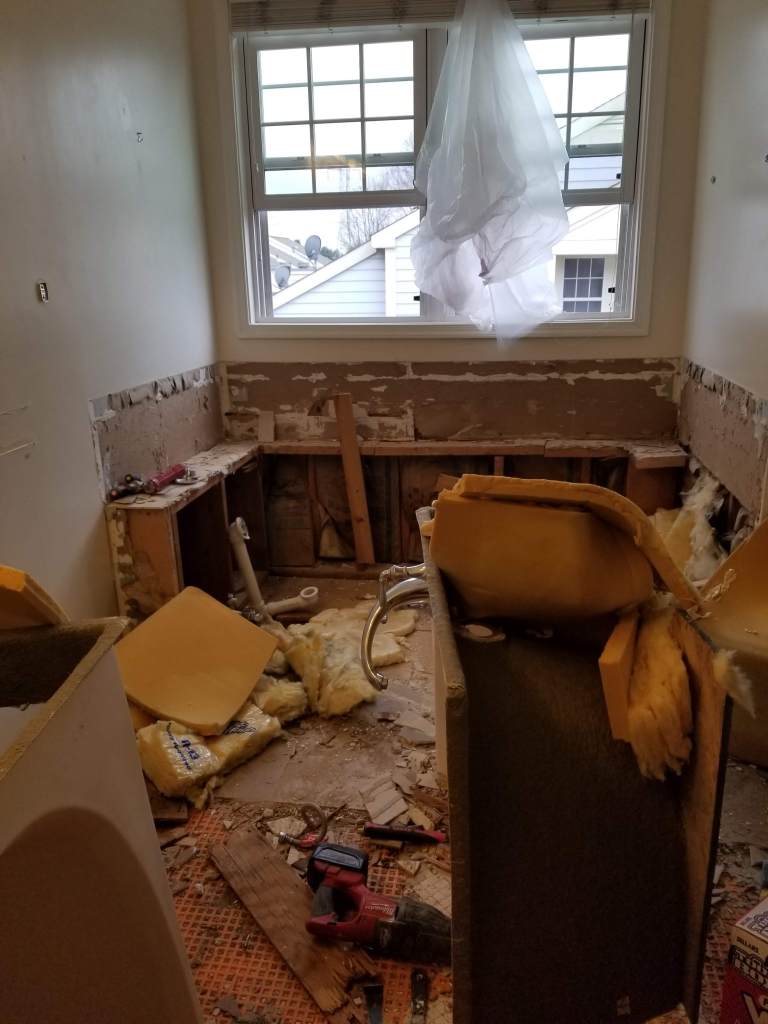
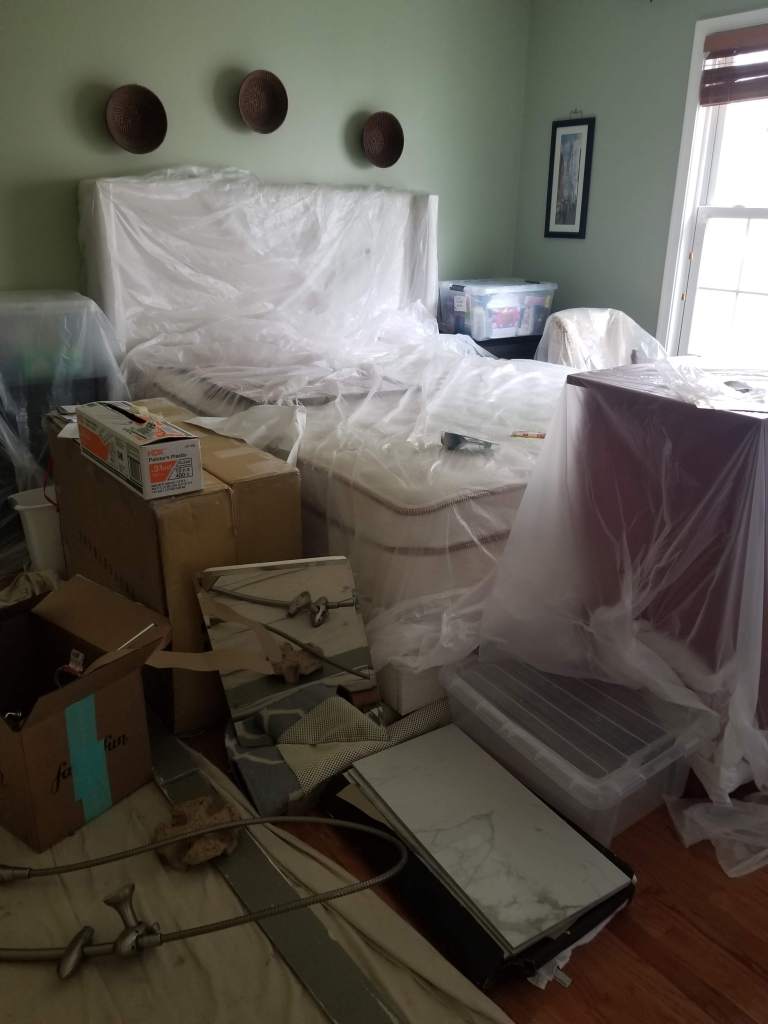
Of course, our bedroom, which is adjacent to the master bath, had already been turned into a construction zone, unusable and surrounded by dust-abating plastic curtaining while the bathroom had been stripped to the studs.
Within a week, we learned the crew had been furloughed and we would be housebound for the foreseeable future in a construction zone, with thick cardboard lining every hallway and room, a thin layer of dust coating every surface, and a massive amount of equipment left behind, taunting us with what could have been.
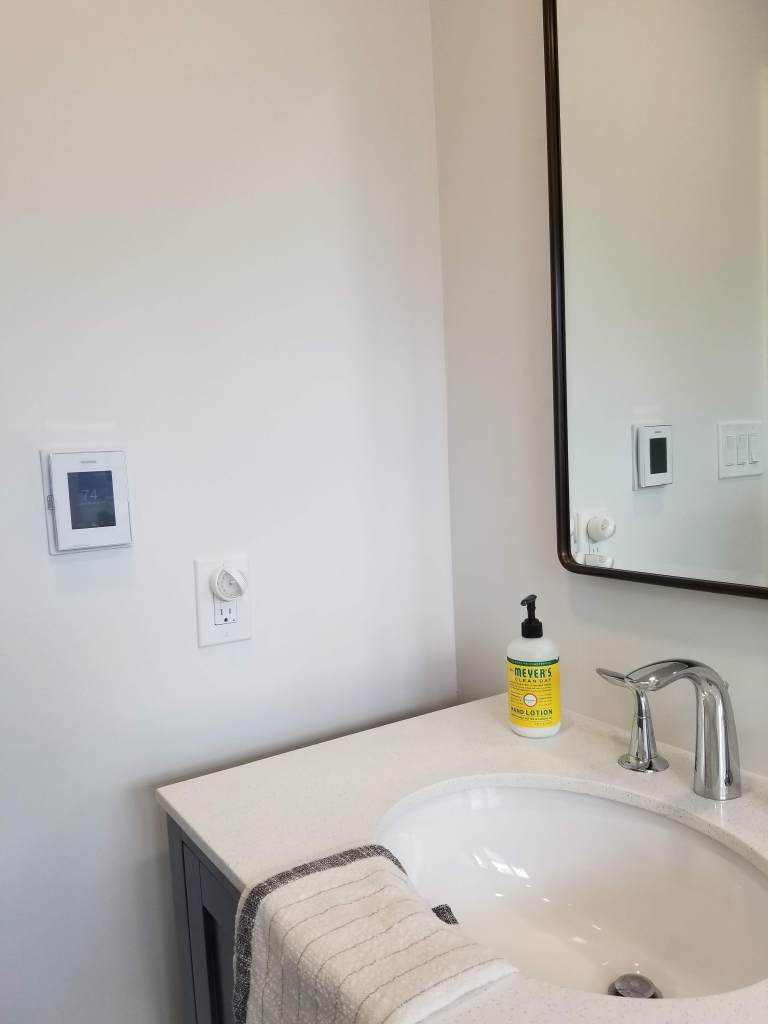
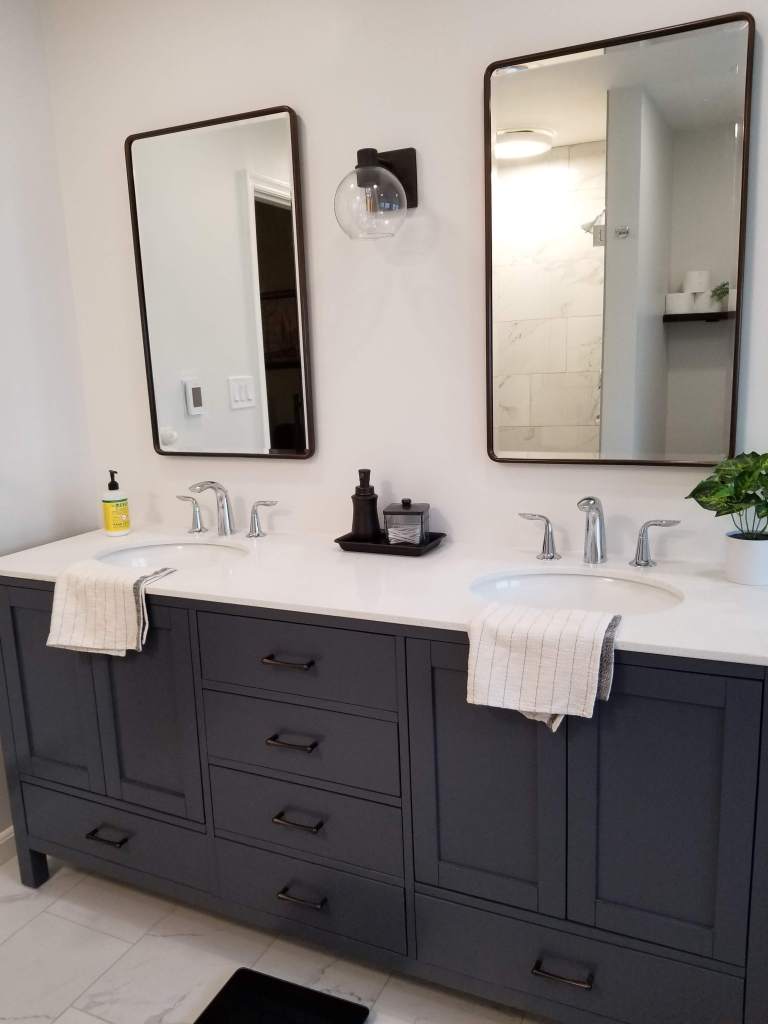
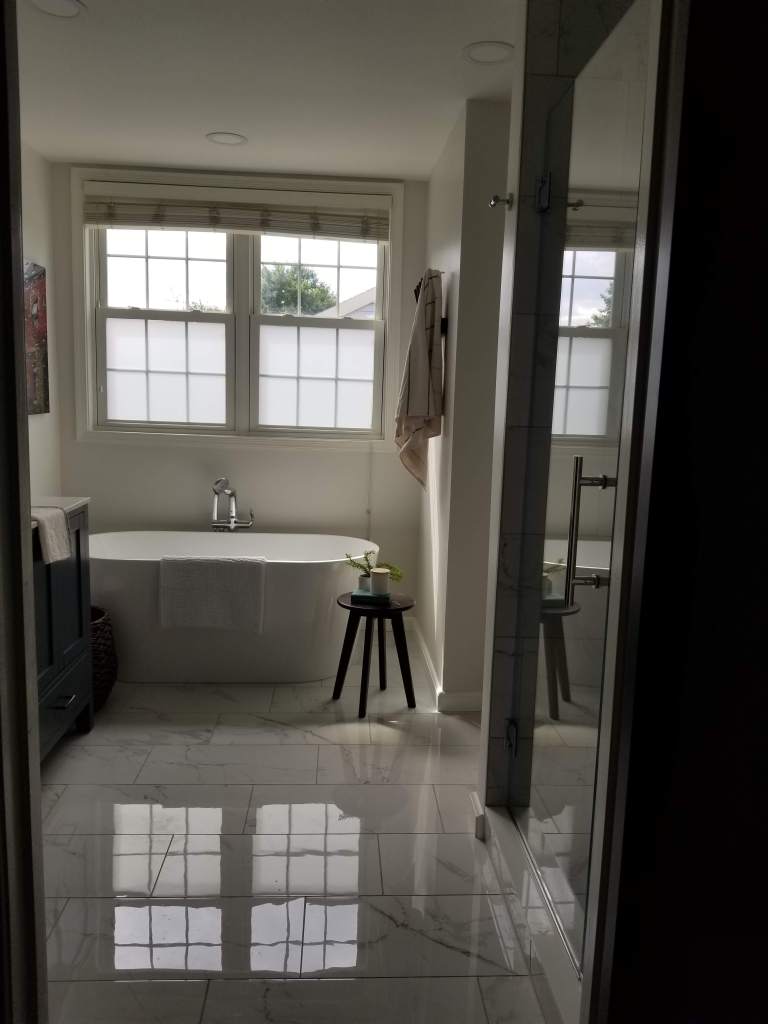
Cut to the chase: a month-long renovation turned into a three-month long renovation. I will save the psychological aftermath of having to share a bathroom with my spouse for the better part of three months for another day. In the meantime, here are the long-awaited final photos of the room!
Feel free to skip to the pretty pictures, but if you are planning to do a gut-reno of your master bath, there are also some lessons learned contained in this long construction diary.
Backstory
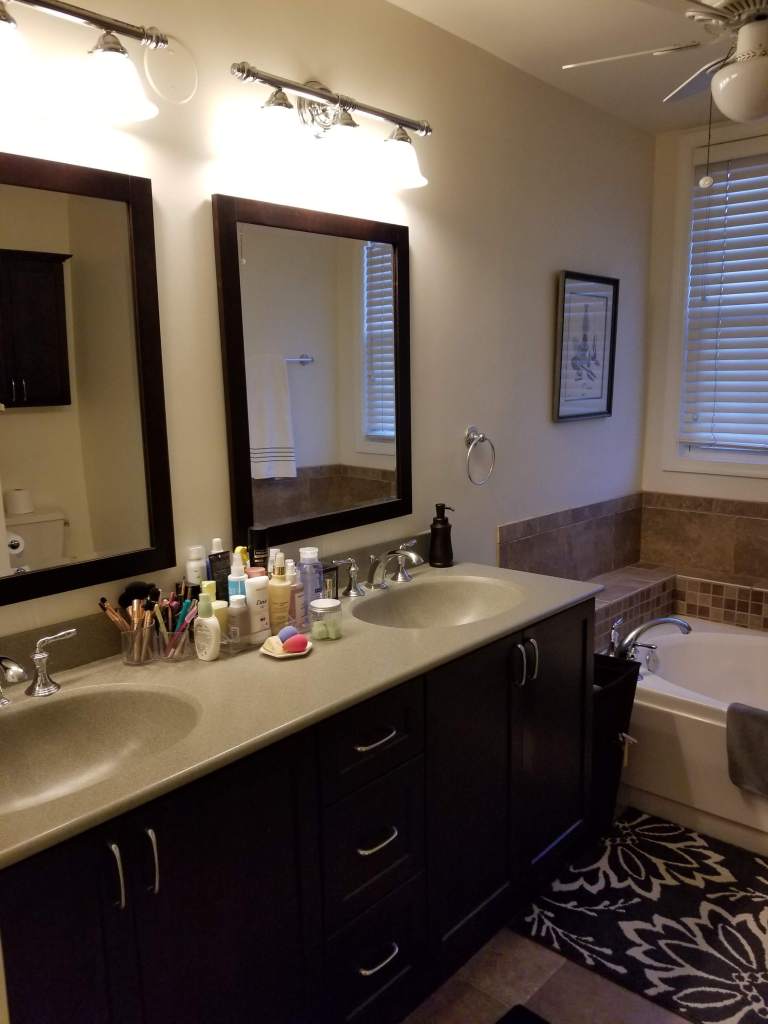
Almost as soon as we moved into this house, almost 10 years ago, we noticed something wrong with the then recently renovated master bath. The grout kept crumbling and the resulting stones and shards of concrete were less than pleasant (or safe) in a place where bare feet is a must.
Even so, we decided to embark on a major kitchen renovation two months after we moved in, and other projects eventually came along before we could indulge in a full-on master bath reno. Things like water heaters and HVACs and all those necessary, but decidedly un-sexy things a house apparently needs to function properly.
The years flew by, and one day, I noticed there was a sale on a vanity I had my eye on for a long time, and then the bathtub popped up on sale, too. I took that as a sign that my days of living with a poop-brown-colored bathroom were numbered.
Old Bathroom
The idea for a master bath renovation had been percolating in my brain for a long time, but the planning for it happened overnight, if I am being honest.
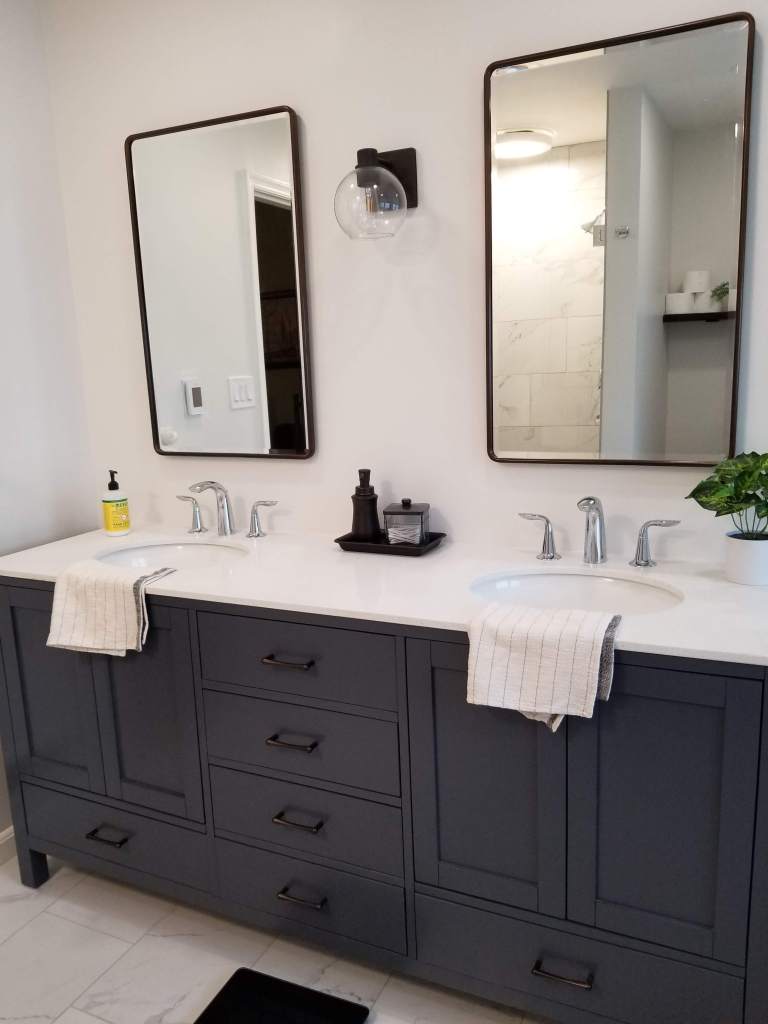
I had the basics down — I knew we wanted a super-duper long vanity, at least 72 inches, and we wanted a stand-alone tub to replace a 1980s-era sunken monstrosity surrounded by unfinished aforementioned poop-brown tile. Past that, we really did not have a clue.
Still, we called the contractor we had worked with on our kitchen reno and got on his schedule for March. We had three months to get our shit together and come up with a plan.
We thought we had fleshed out a skeleton plan with reusing our current semi-frameless shower doors, a pocket door for the entry, brushed nickel fixtures, and board and batten on the walls.
Spoiler alert: none of those things happened.
We went about creating a budget, which came in around $22,000, with us doing some of the work ourselves (like painting and baseboards.) Other bids we received were anywhere from $15K up to $35K (for the same FREAKING thing, mind you. Always get bids.) Since we knew and trusted our former GC, we knew we would likely use him again. That they were agreeable to us doing some of the work ourselves and having lots of day-to-day input without scowling (too much) was one of the deciding factors.
In the end, we came in about $400 over budget – I am nothing if not a budget-keeper, but full disclosure, we sold the old vanity and shower doors, so that helped us to stay close to budget. Incidentally, while our contractor was gracious enough to allow us to use his discount at some of his client stores, we purchased all of the furniture, fixtures, tile, and lighting ourselves, and oftentimes were able to beat the prices those stores gave us (even with his discount) by paying close attention to sales and scouring the internet for best buys, as well as a few other tricks we employed.
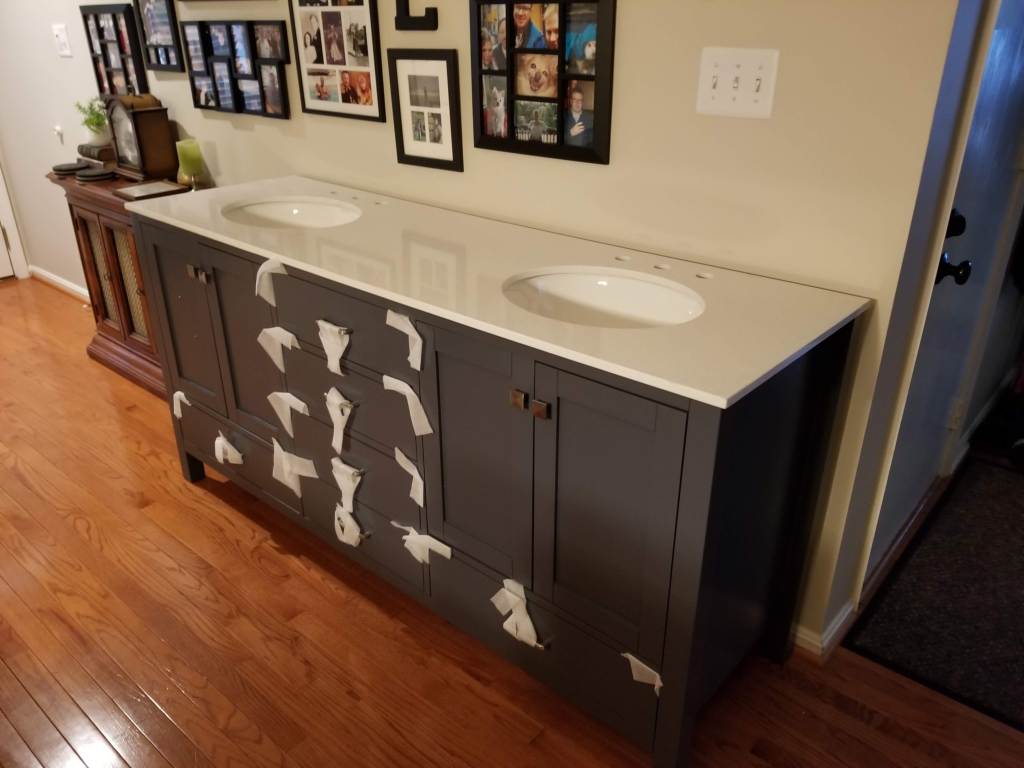
Vanity
Which comes first, the tile, the furniture, or the fixtures?
Who knows? For us, we went with the vanity first, since that was on sale, in the color we wanted, and came with a quartz top and porcelain bowls. We ordered it from Wayfair and were surprised to learn that the vanity was originally white labeled from Pottery Barn, at nearly half the price in hard-wood construction. (Pottery Barn listed the vanity at around $3,600. Wayfair usually has it listed right at $1,400, so when it popped up for sale at $1,200, I jumped.) Yay, us!
Here it is in our foyer waiting to be taken upstairs.
Next came the tub. I am short and knew I wanted a petite tub that I would not drown in, and this one fit the bill, leaving enough space at either end for an airy feel, rather than a built in tub. Nothing wrong with a built in tub, mind you, just not what we had in mind. It, too, was on sale.
The catalog picture (we didn’t get that hardware!)
A few tidbits about our vanity placement. We did not want it anchored to one wall, the way you might find a typical vanity installed. We wanted it about 6-8 inches off the wall so that it would look like a piece of furniture. Our contractor suggested we leave enough space to get a mop/broom in between and it was good advice.
Second, we did not want a backsplash. Horrors, I know! I hate a backsplash. I just do. I hate the way it cuts a wall in half and just stops, like somebody forgot to finish tiling. We didn’t want the busy-ness of tiling the entire wall, either, though if our bathroom was a tad bigger, we might have considered it.
Instead, we had them use the reciprocal saw to carve out a part of our baseboard for the vanity legs so that the top of the counter would seat right against the wall. We then applied a crisp bead of caulk, and we were finished. The paint is in eggshell so completely wipeable, but after months of use now, it has not been an issue.
Tile
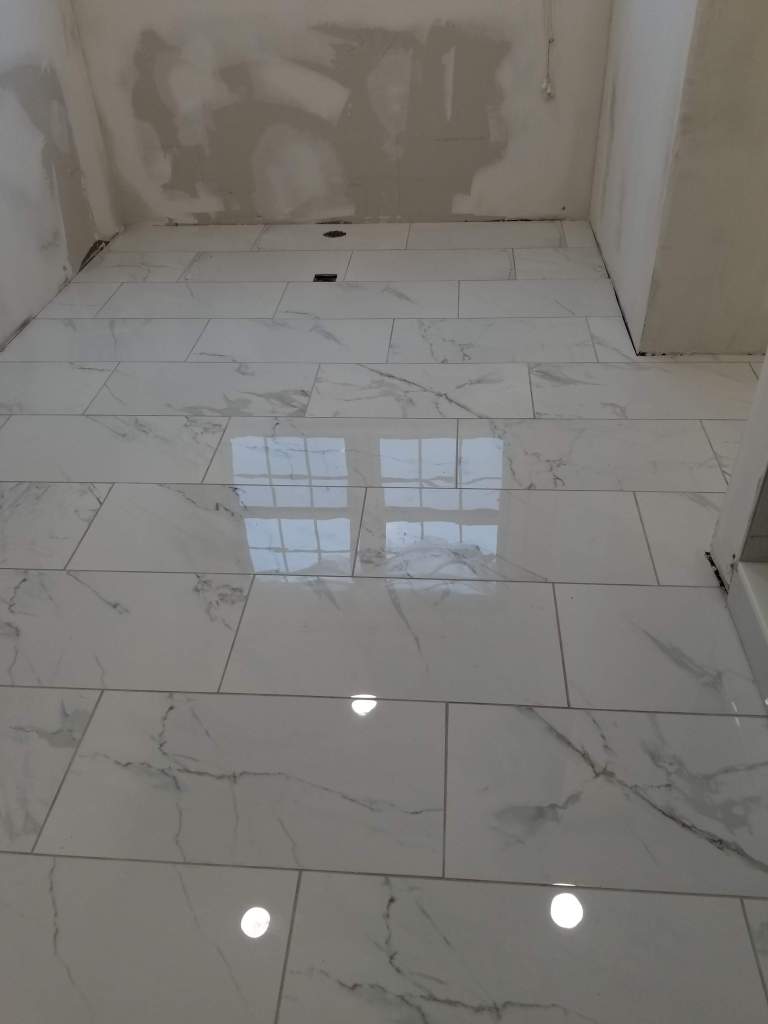
We went with carrara tile, with a high slip resistant rating. I get asked a lot about the slip factor with marble. Did you know tile is rated for slip resistance?
I can confirm that it is no more slippery than any other bathroom floor we have had had before. We got it on sale, so that added to our savings, as well. I knew I did not want to do a whole bunch of different tile in here, even though I know a lot people love mix and match floor tile and shower tile.
We thought that with only 110 sq ft to play with, keeping the same pattern would make for a much less cluttered appearance.
And, I thought our contractor would balk (he did) when I said I wanted 1/16” grout lines so it minimized the visual clutter. We eventually settled on 1/8” grout lines (for a number of technical reasons) and I think because we chose a warm gray grout, it works here.
The drawback to this tile is that it had unfinished edges, which meant that when it was laid on the edge of the shower wall, a raw edge would be facing out. Because our previous bathroom was a symphony of unfinished edges (do not do that!), we had to figure out a way to add a complementary border.
Some people do that with pencil tile or a bullnose piece that closely matches. I wanted ours to match exactly for that clean, uncluttered look, but finding a piece proved absolutely impossible. I know this because we visited every store known to humans (before the pandemic, of course.) Close enough was not cutting it for me – either the gray veining was to veiny, or the whites didn’t match.
We eventually heard about a product called Schluter edging from the tile store we used. Schluter is that little metal edging often used on the edge of tiles to cap it off. We turned ours sideways and it ended up being the EXACT color of our grout and looked like a finished piece of tile. Crisis averted.
One more thing about the tile placement – I wanted to do a one-third offset pattern on the floor and shower walls rather than a one-half offset pattern which I felt would leave the room with a lot of crosses. I also worked with one of the crew members to hand pick the pieces for placement so the veining matched the tile it was up against. A small, but worthy, detail for continuity’s sake. If you promise not to roll your eyes, I also insisted the tile veining lean the same way.
You rolled your eyes, didn’t you?
It was not a perfect process, and I can promise you the contractor might have grumbled a bit at this step, but the end result was totally worth the extra time.
I mean, c’mon! Hubba hubba!
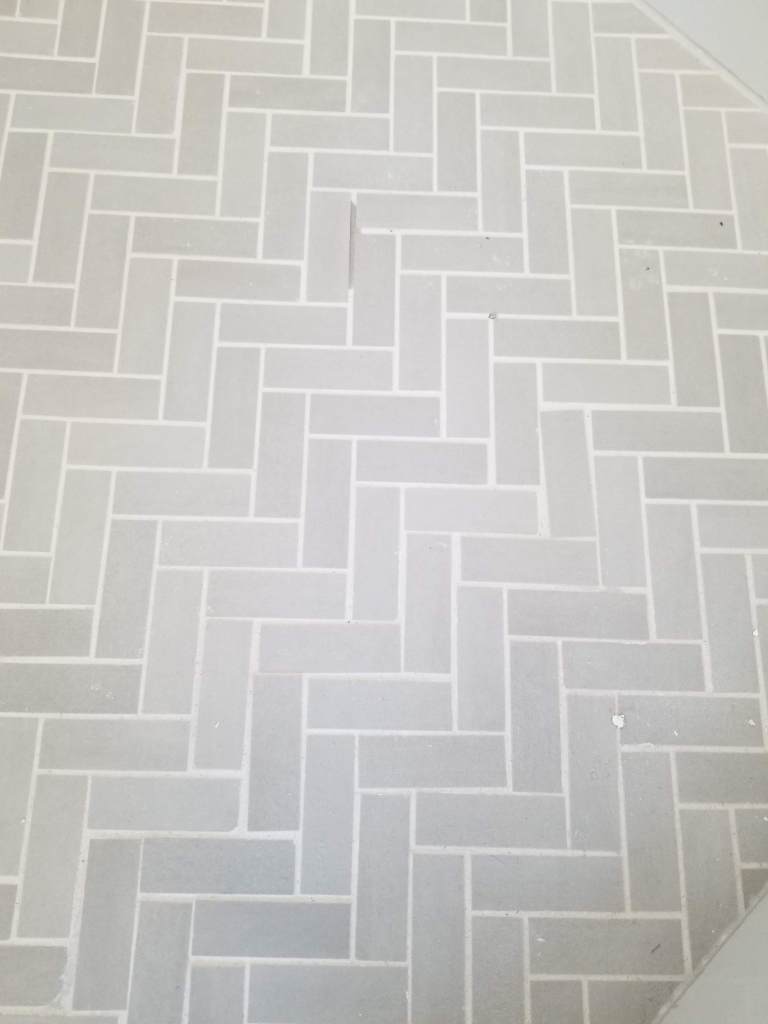
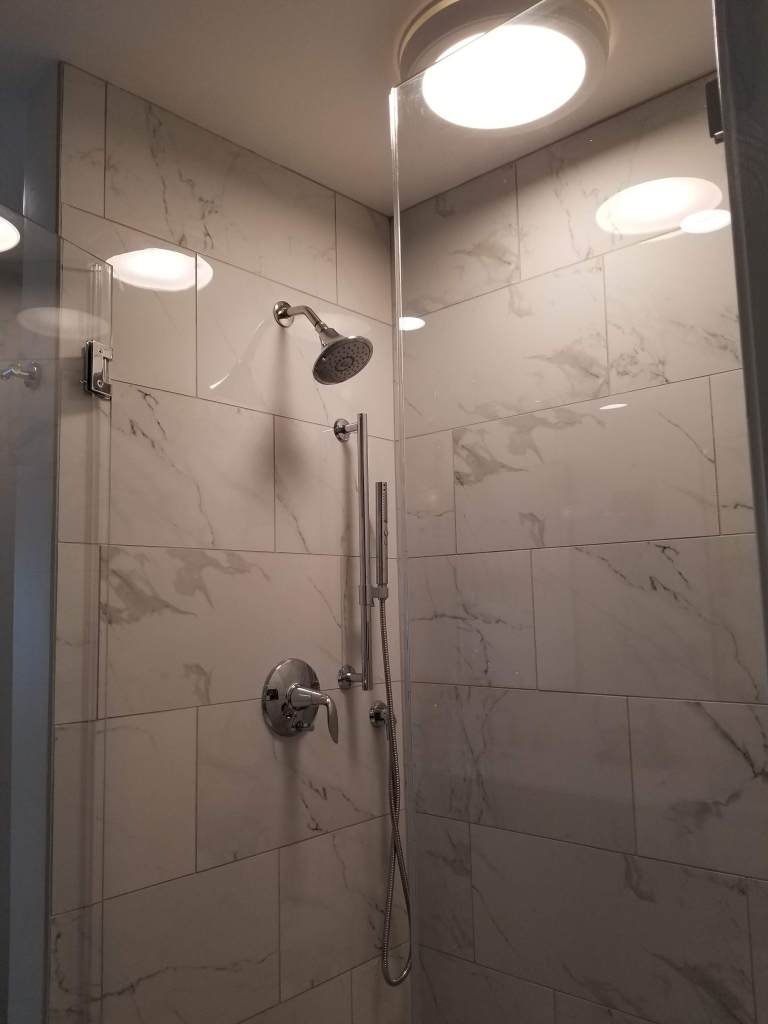
The one exception we made to using the same tile everywhere was to have a complementary tile for the shower floor in a different pattern. We went with a calming grey herringbone which adds subtlety, but interest. Many folks also choose to use the shower floor tile on the back of their shower cubby, but here again, we wanted clean lines and less pattern — not more — so we opted to use the same tile as the walls for the cubby walls and edge it with Schluter. The result is a clean aesthetic we are really happy with.
Shower doors
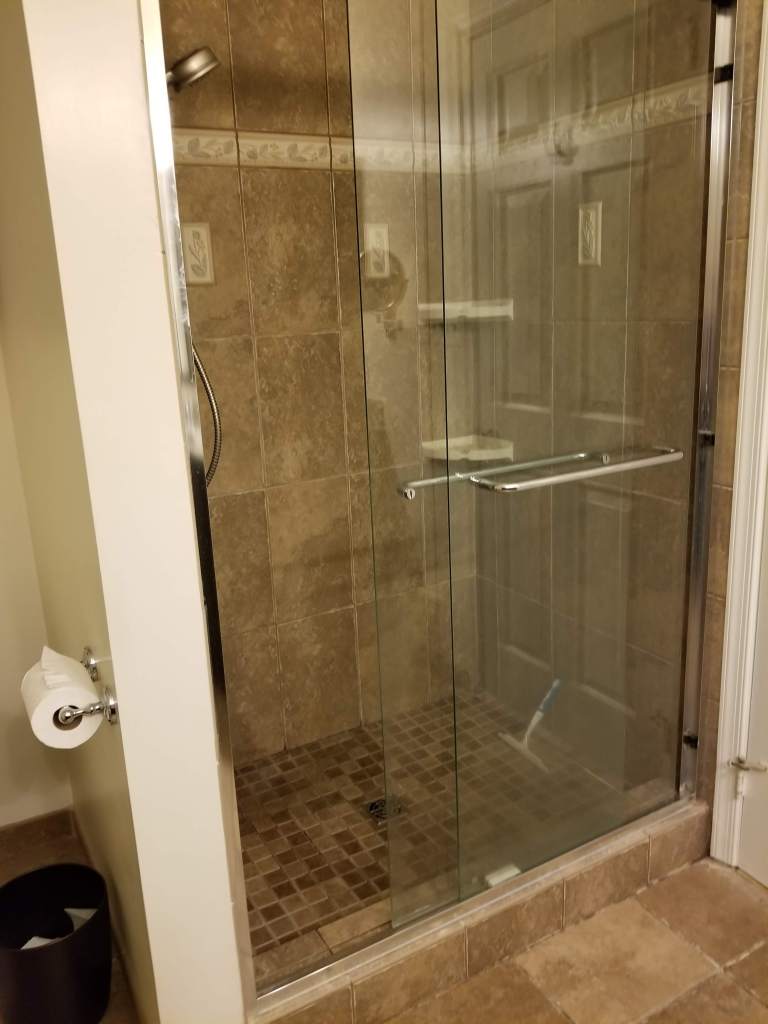
As I said, originally, we thought we would save some money by going with our semi-frameless shower. The ones on our old shower were quality shower doors and fairly new, after all. But, in the end, we wanted a high-end look and wanted shower doors that would not compete with other metals in the room. Because our shower box is on the smaller side, opening it up with clear glass would make the difference in a light and airy shower versus a dark cavernous one.
Old Shower, obviously
However, when the bid came in on the shower doors (we purchased them independently), we nearly chickened out. Around $2,000 for the frameless shower seemed insane, and this, along with the mirrors, would be our two big splurge items, but in the end, we cannot imagine having gone the original route.
One of the reasons the cost was high on the frameless is because we went with a low iron glass rather than a regular glass. You can tell a low-iron glass if it does not have a green coloring at the edge, kind of like a Coke bottle does. Low iron glass is completely clear without that tinge of green and because we chose white tile, we wanted its beauty to shine through, rather than be tinted green.
One word about frameless showers, you have to understand that you are going to be cleaning that glass with every flipping shower. It takes work to have pretty things, my mom used to say. She was not wrong. The glass needs to be squeejeed (is that a word??) with every shower, as I said. Once or twice a week, we must spray it down with this diamond guard stuff which “seals” the glass from getting water spots.
Would we do it again? In a heartbeat.
Heated floors
Because this bathroom is located above our garage, it is meat locker in the winter, and that temperature change, and what we later learned was incorrect mortar and grout mixing, likely contributed to the grout crumble we endured for all those years. On top of that, the floors were ice cold in the winter, and that made the master bedroom cold, too. So, we shopped around for a heated floor system and landed on one called Warm-Up that a neighbor had used and was happy with. Their customer service was terrific.
I had read somewhere that we should have two fuses installed when doing heated floors, so they sent me an extra one for the crew to install when they laid the floors. It is a smart and economical insurance policy (around $25) so that if the original fuse ever goes, you still have a workable one ready to take its place. I do not want to know what happens if they both go.
The floors were around $2,000, but we do not consider this one of our splurge items, as nice as they sound. It was necessary given the location of the bathroom.
A few notes from our contractor. Be very careful if you go with the orange blanket company (I can’t remember their name – maybe Schluter, like our edging?) Our GC says they continuously see failing tile work when using that system underneath.
Fixtures
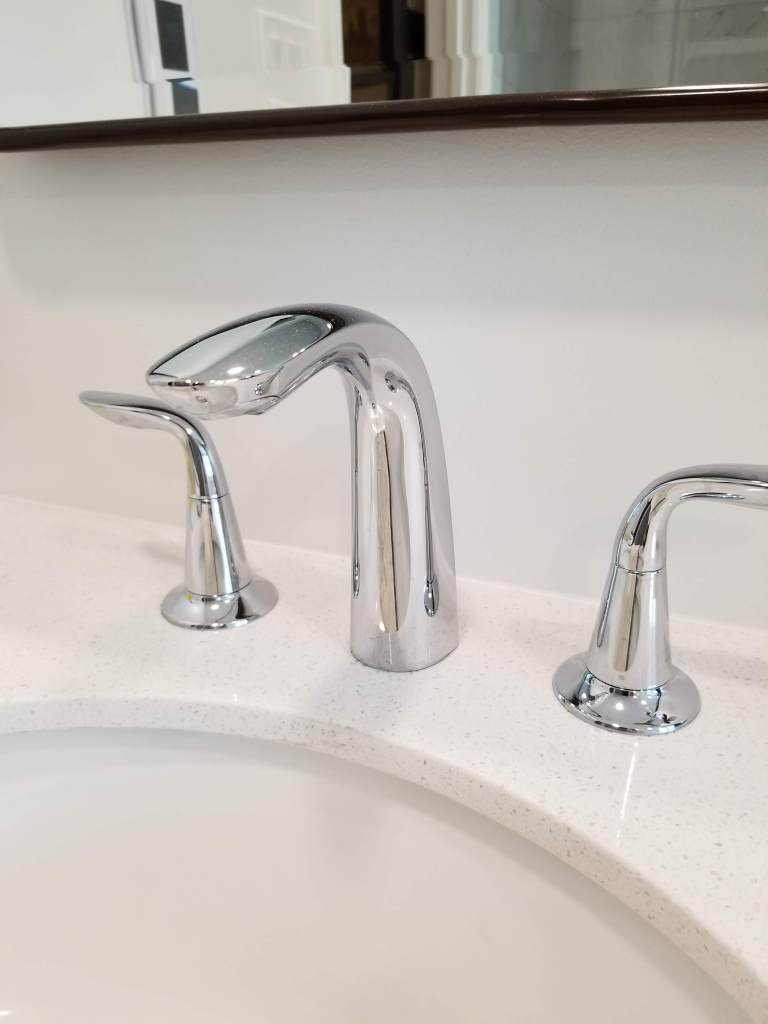
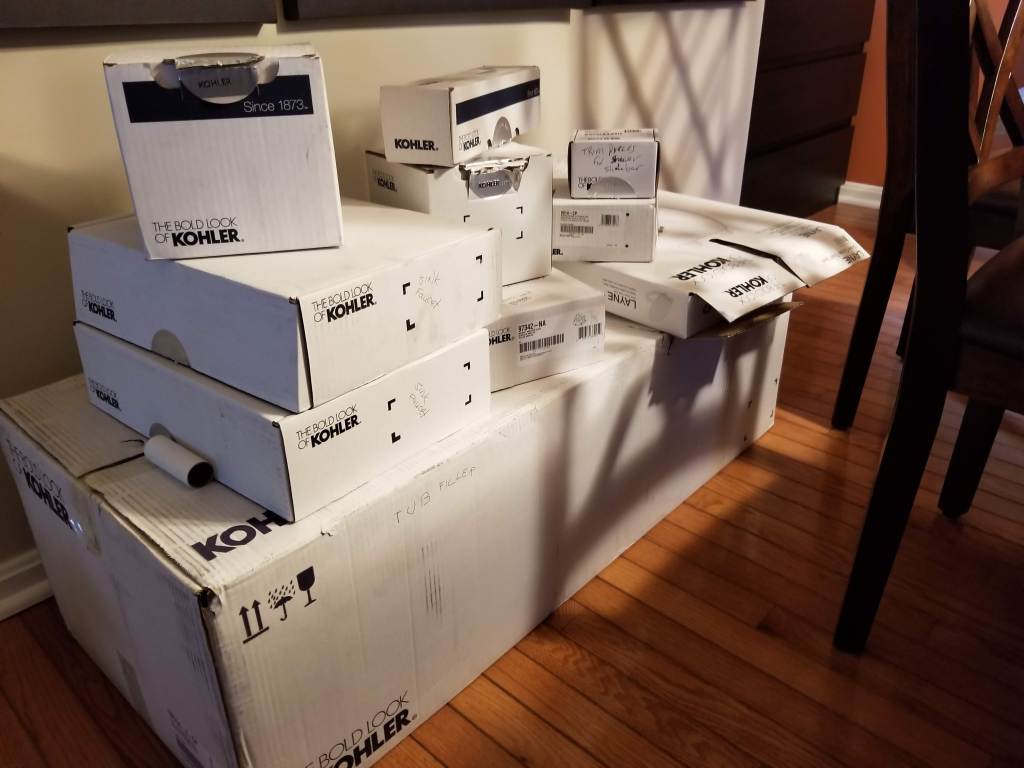
We have always had great success with Kohler products. Not only is their customer service terrific, when something goes wrong, they have always helped us walk through fixing it, even sending us replacement products when necessary, so we knew we would try to use them, if we could.
But, I need a tub filler and that was proving pricey and difficult to find one I liked. I have an aversion to the gooseneck tub fillers, but that style seems to corner the market. If I had my druthers, and code would have allowed it, I would have had the faucets placed on the wall under the windows. But, code says no faucets can be installed on an exterior wall. Womp. Womp.
I knew I wanted to use the same faucet family for the shower, sinks, and tub, if possible – mostly because, again, we wanted to keep things calm and serene. I originally had my heart set on brushed nickel, but once I held it up against our cool gray tile, it fizzled. I also would have loved a dark bronze (brown), but it seemed trendy and possibly dating down the road.
In another life, I would have hopped on the black matte finish in a flipping heartbeat, but for this bathroom, it just didn’t work. So, in the end, we went with chrome. There is a reason this is a classic choice. The chrome pops against the tile and just gives a fresh, clean look to the room.
How crazy were we about finding the right fixtures? We had considered a road trip to Kohler, Wisconsin, home of the company, so we could view as many choices as possible with one of their designers. (Their designers are free if you go to the showroom.) And then, we dug a little deeper and realized they had a satellite showroom in Baltimore, just a 45-minute trek up the road.
So, two weeks before the pandemic, in what would be our second to last outing before quarantine, we took the short trip and arrived minutes before the store opened. It was just as I had hoped — Disneyland for those of us who are obsessed with this stuff, and our designer was terrific, finding all the bits and bobs we needed (that we would not have realized we needed had we ordered from the internet.)
In heaven 🙂
Not only that, she ordered it all for us to be delivered to our home and then whacked on an additional 25% discount for shopping in their showroom. Sold! Not gonna lie – these fixtures comprised one of the biggest ticket items in the budget, somewhere around $2,500, but we kind of love them.
Mirrors
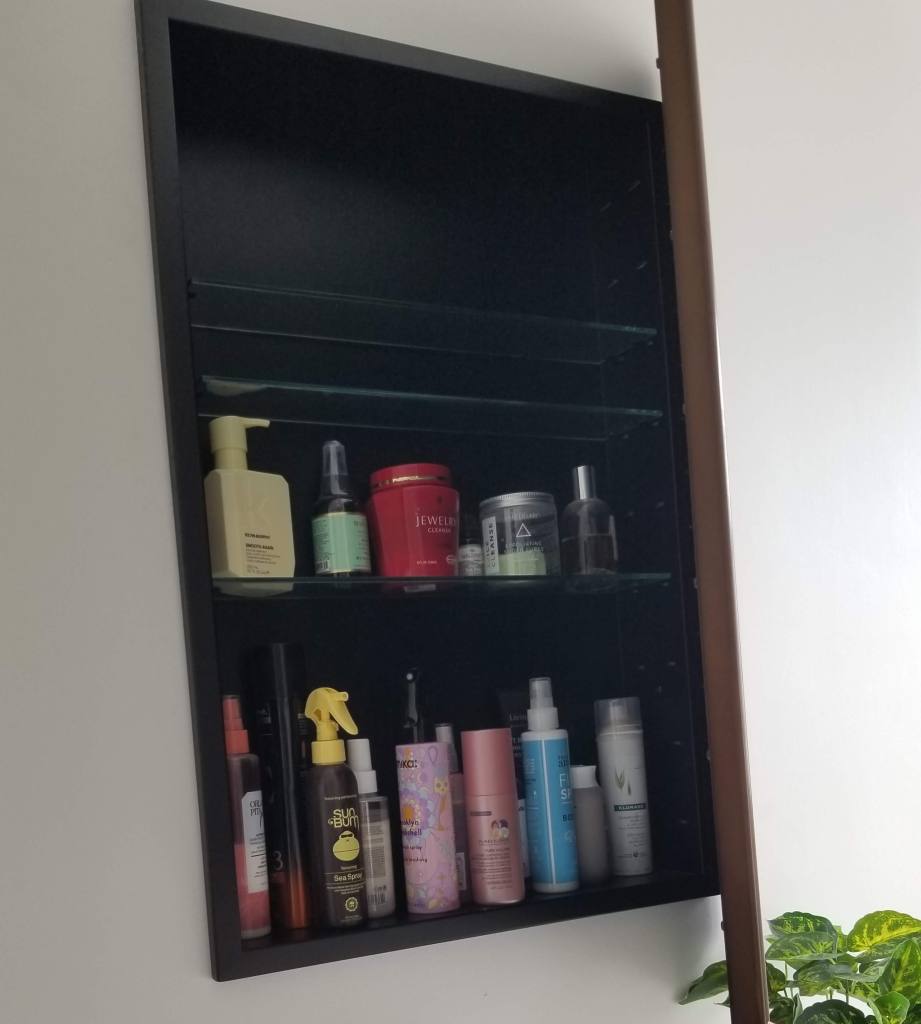
I mean, I knew I wanted these mirrors when I saw them, damn the price tag. They are vintage style, with rounded corner edges, and, sit down for this, they are actually medicine cabinets!
Not your grandmother’s medicine cabinet, mind you, but ones that fit tall bottles of hair spray and other products, and deep enough for jars, tubes, and whatever people keep in cabinets.
I also knew they were going to be a flipping headache to install. They are humongous – nearly two feet by three feet. We knew we wanted them recessed and installed flush with the wall, so that only we would know they opened. The only other alternative would have been to go with a tower cabinet at the end of the vanity, but I was afraid it would block the light and thus wanted to find another way to get more storage.
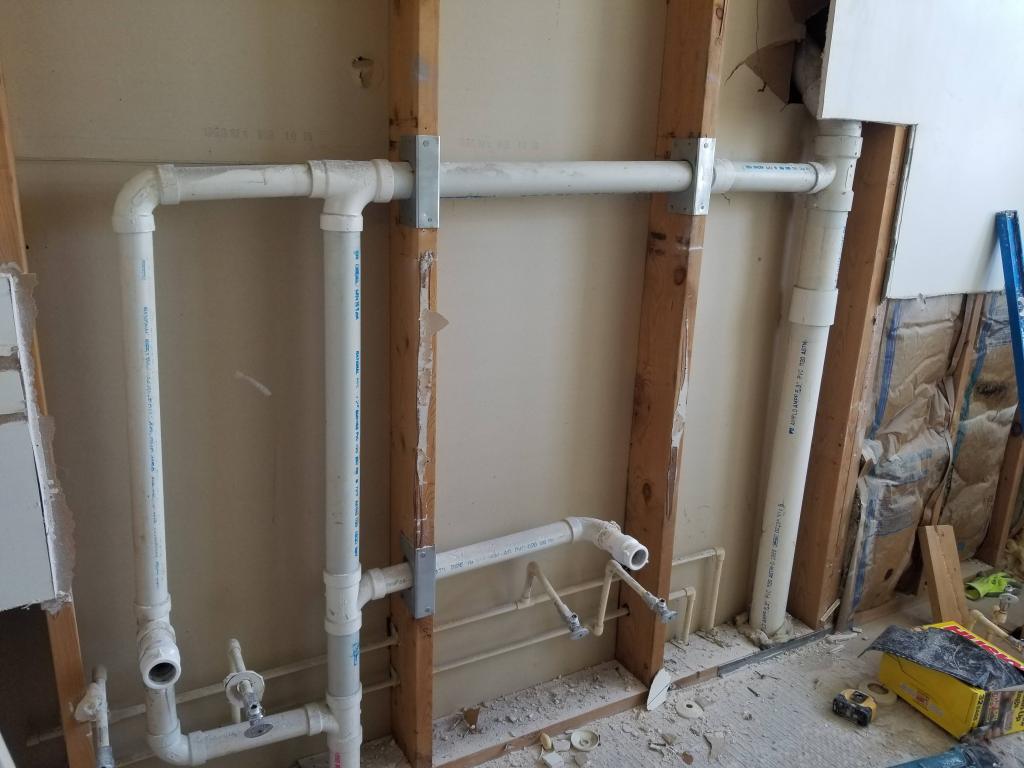
They had to open up the walls and cut into some studs, and much to our dismay, move some plumbing pipes to the tune of around $600, so this wasn’t an easy install.
At over $800 for the mirrors, and an additional $600 for the install, these were definitely a splurge. But, they do they job and they are gorgeous.
Lighting
We opted to use a shower light that doubles as a vent fan. I can’t remember the horsepower (is that the right word?) of the thing we ordered, but it probably is the one thing I’m least satisfied with. It works extraordinarily well and we will always go with a fan/light shower combo, but the one we chose looks like a space-ship. We were well into construction and this was a quick purchase. We can always change it and for now, it’s fine, but it is on a short lifespan in this bathroom.
We installed five LED cans and again, I cannot remember what we used, but these things are awesome. They are very thin, just an inch or so deep, come with a switch so you can change the tone of the light before they put them in the ceiling, and, as I said, they last forever as an LED light. They are also dimmable, so we put them on a dimmer switch as they are very bright. To be honest, it is nice to have them, but we rarely use them.
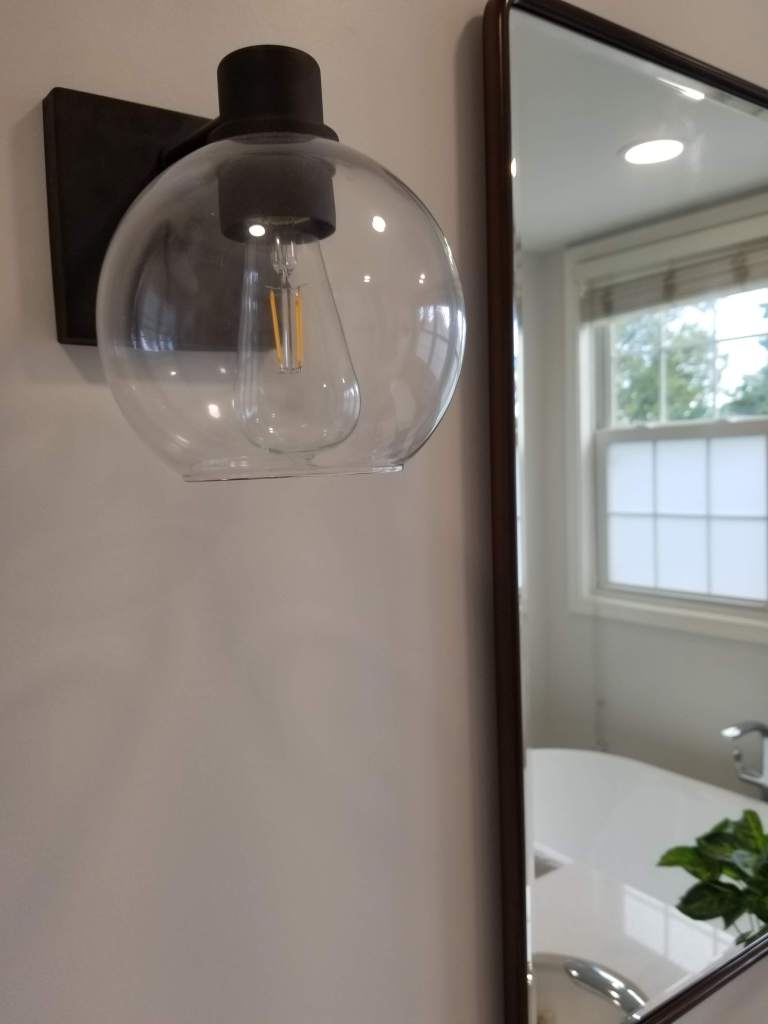
Instead, we use the fixture that is between the mirrors, also on a dimmer. We chose this fixture because of its clear glass cover and we opted used a vintage-looking bulb inside. Simple and clean looking.
Paint & Baseboards
Our contractor would have cost around $1,200 to paint the room, something I can do in my sleep, so we had always planned to do the painting ourselves. Before they left because of the shutdown, our contractors generously covered the newly installed tile floors so we could paint without worry.
We love Benjamin Moore’s Edgecomb Gray so much in our open-concept home because it changes colors with the fading light of day and provides a warm gray/beige that is heavenly. No question, we were going to do the bathroom in it.
Since we were planning to install board and batten on the bottom two-thirds of the wall, we set out to paint the upper third. We primed with two coats over the bare, newly installed dry wall, and then got down to painting. Two coats of Edgecomb Gray later and we were horrified!
Edgecomb Gray — womp womp
The room turned from light and bright, to dark and gloomy. We had tested the color all over the freaking bathroom prior to construction and it was perfect. P-E-R-F-E-C-T! But, when it went up, it was so far away from perfect, I nearly cried.
In what was our last outing, we high-tailed it to the paint shop and purchased a color called Irish Mist. We only looked at it on the internet and knew this was playing with fire. But, desperate times called for desperate measures.
We got it home, cracked open the can, and fell in love.
A creamy gray/white, with strong hints of blue, made for a marriage made in heaven with our tiles. But, the proof would be in the pudding. So, we set about re-priming (hello, three coats!), repainting, but this time, we sized it up after each wall was painted. Wall one? In love. Wall two? Still googley-eyed. By wall four, we knew it was a keeper.
Along the way, we decided the board and batten was going to be too busy on the walls – we loved the color so much, we wanted to see more of it, not less. So, despite having a garage full of newly-purchased MDF, we abandoned the board and batten project on the spot. As we have often found with our renovations, game-time decisions are key and that was certainly the case here.
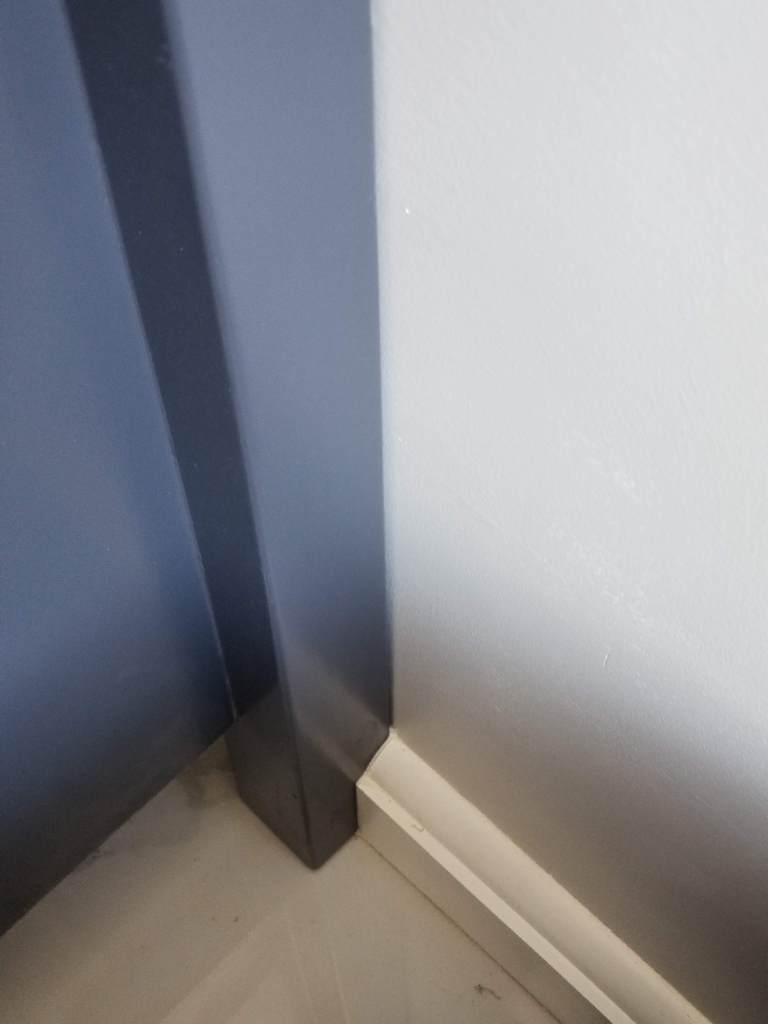
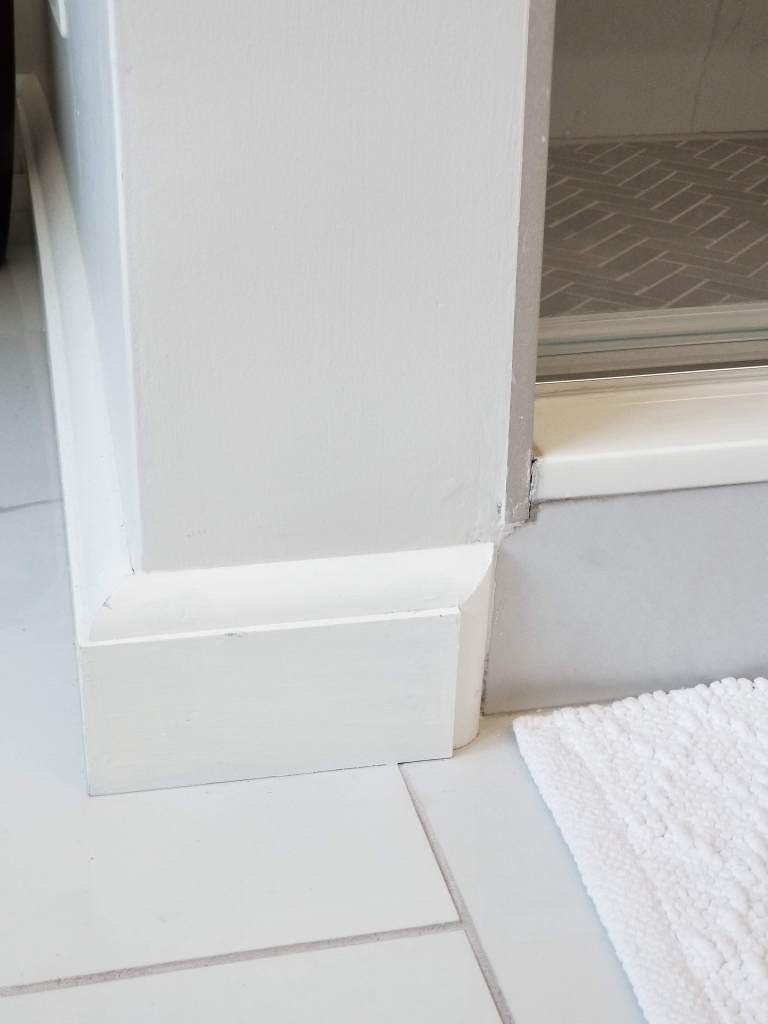
All that was left was to install baseboards and JohnR did a masterful job of it. We barely needed to caulk and fill the joints because of his careful measurements and cutting, even the scarf joint was disguised nearly perfectly. Whew.
Other Stuff
We had ordered a towel rack from a Finnish artist from Renovation Hardware (I think) that is more like a piece of art, but also provides some warm wood tones to cozy up the otherwise very cool stone and hardscapes. And, I ordered an oversized canvas print of a favorite photo I took in Ireland, which also helps to bring some warmth to the room.
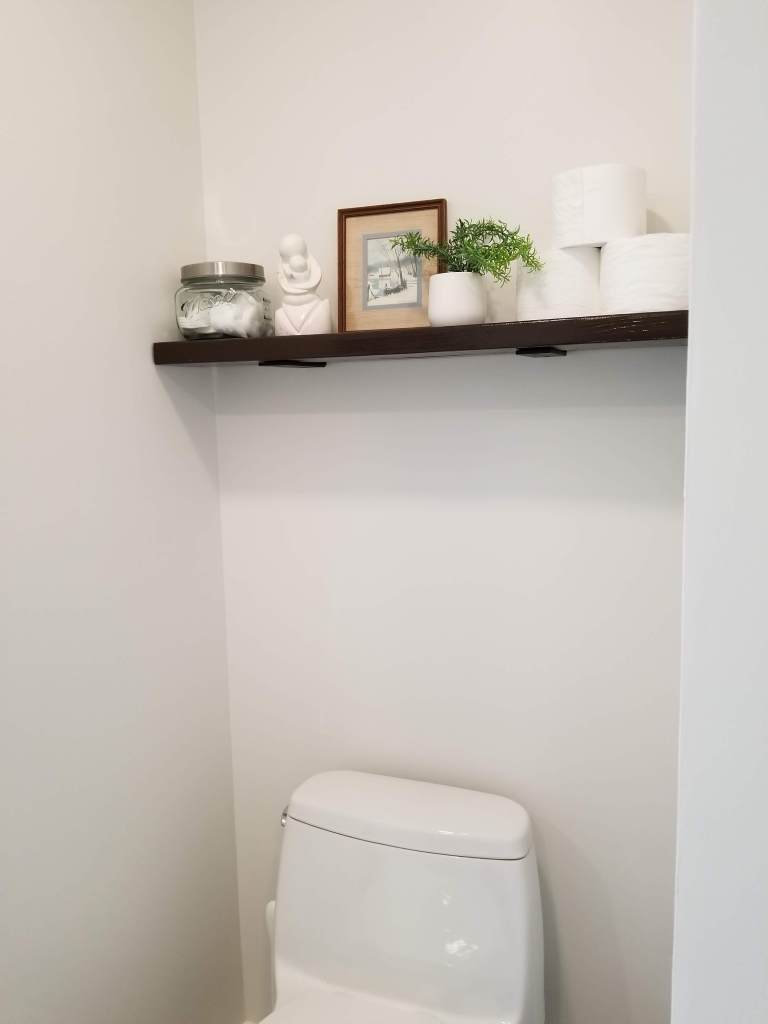
Finally, we took our ever-loving time to build an over-the-toilet shelf, less for added storage, and more to add a wood feature on an otherwise forgotten space.
Doors and Windows
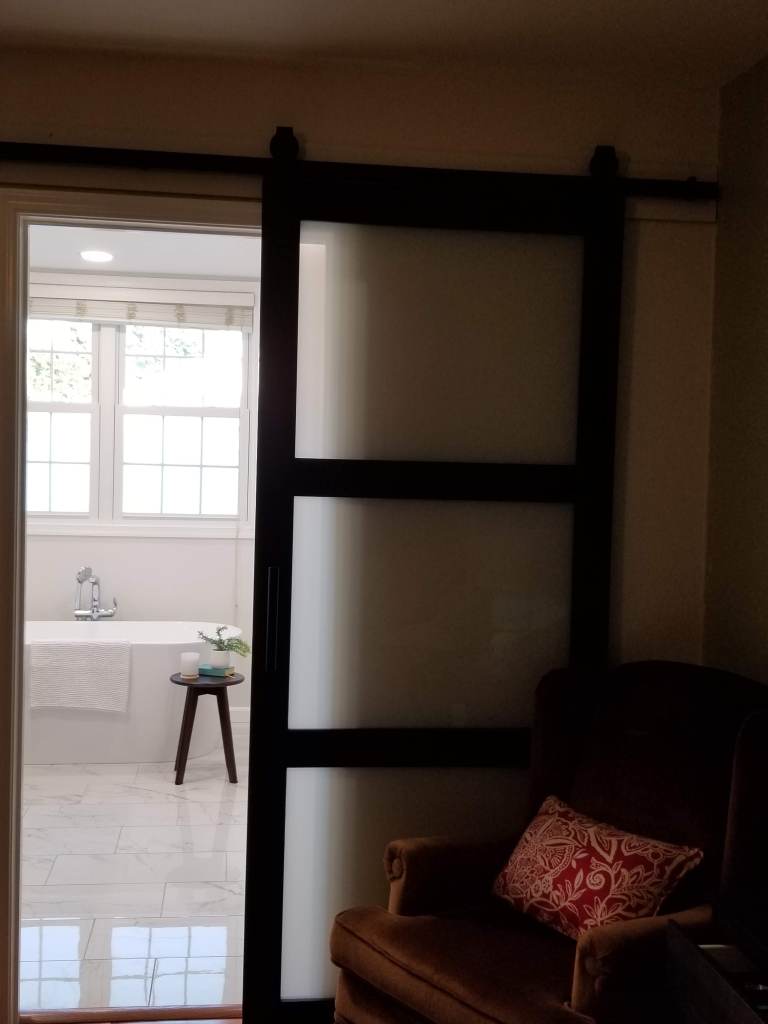
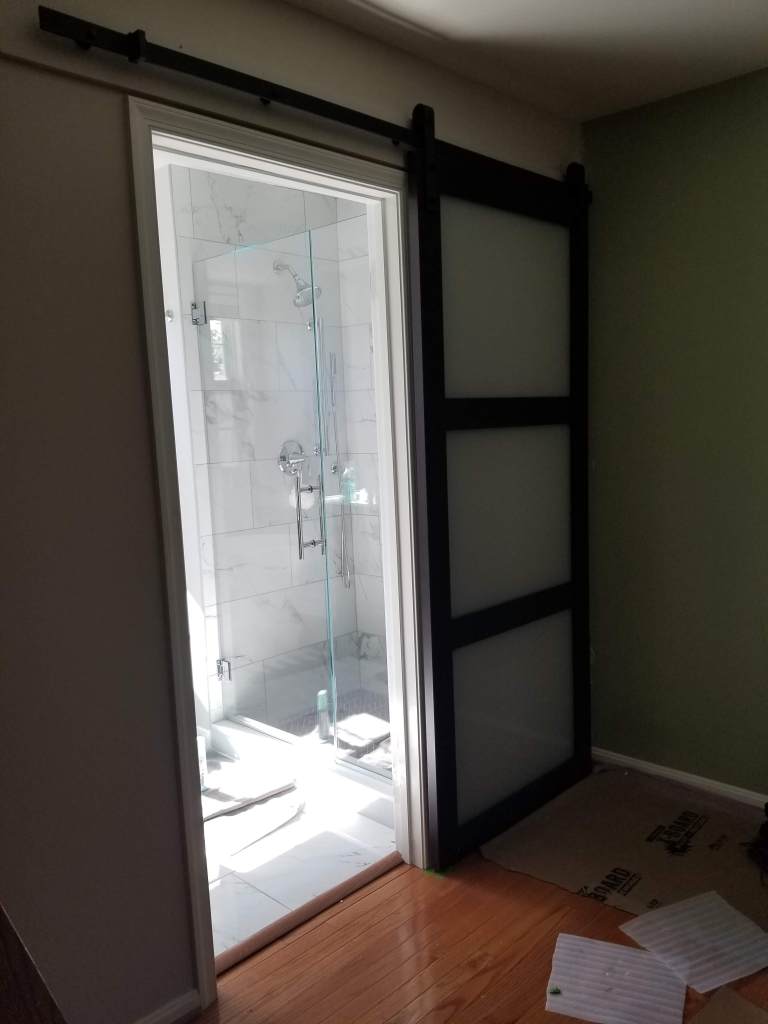
We are still looking for double café plantation shutters for the windows so that the top part can be kept open all the time, but the bottom would add some privacy. For now, we frosted the bottom panes to provide that privacy and it has the added benefit of matching the frosted glass in the barn door we installed.
Speaking of the barn door, we had toyed with a pocket door, but after reading loads of reviews about how often they needed repair work, we decided on another option. Because the door to the bathroom would swing inward, and rest against the shower doors (NO!) we opted for a frosted glass barn door that we installed ourselves and slides on the bedroom side wall. More about that later, except to say, my husband is a pro with the level and while there was a steep learning curve to get this installed perfectly, he did it (with little help from me) and we really like how it keeps the bathroom from feeling closed in. Plus, because the bedroom is really dark, it lets all kinds of crazy light into the room from the double windows in the bathroom. Win-win.
The Master Bathroom Curse
Did you know there is an old wives’ superstition that when a master bathroom gets completed, the homeowner often sells the home? Has that happened here? Not yet, and not before I get a winter’s use out of that tub, but maybe come spring…we shall see.
We have always enjoyed the renovation process and this project was no exception. The quarantine made for rough sailing for quite a while, and those of you who follow my Facebook page know that to be extra safe, when the crew came back to finish, we ended up living in our basement for a week, communicating by texts, photos, and Alexa.
We couldn’t be happier with the end result and grateful to have such a good crew to work with. As it has been nearly a decade since we redid our kitchen, if that springtime move doesn’t come to pass, I’ve already alerted the contractor to be on standby 🙂
With Pennsylvania’s lawmakers overriding their own governor’s stay-at-home orders, we are soon to be in a situation akin to the meme I saw a few days ago about how designating a “peeing section of the pool” is about as effective as a state-by-state approach is going to be.
For us, we have long come to the realization that we truly have to take care of ourselves and our families. For every instructive recommendation (CDC two months ago: No Need For Masks!) there is an equal and opposite recommendation. So, we gather up the best of the bunch and do that – whatever that may be. For us, it is quarantining every non-perishable item that comes to our door for 72 hours. Not necessary say some. Others, it is not enough.
So, what will you be doing differently as states (likely including ours) opens up for business?
Scientists say we will be dealing with the disease for years to come – making a vaccine isn’t the only hurdle. Right now, there are not enough chemicals, there are not enough vials for testing – we are so far from being able to produce and push the vaccine out to the public, that we can almost assuredly be resigned to getting this virus when life returns to normal over the next two years unless we continue to stay inside. Most are saying four years would be the realistic target for a widely available vaccine (the creation of the vaccine, then the testing, and then the production and dissemination.) And, most have already assured us that the virus will peak again and again over the next few years.
Even testing supplies are again scarce – and effective tracking solutions reside somewhere in the far-off distance. Without testing, we don’t know what we don’t know.
Testing only gives us one small piece of the puzzle. They still have no idea how virulently this virus is transmitted. “Social” transmission (the transmission of the virus with no known host) has yet to be understood.
Talk to any two scientists and one will say the virus is most deadly in the aerosol form and that can spread up to 26 feet at any point. Another will say the virus is mainly transmitted through touch. Which leaves us not really knowing how to protect ourselves, because, if we are honest, and I’ve now spoken to two clinicians, at NIH and Johns Hopkins, they don’t know, either.
They also don’t know the immunity aspect of the disease and whether getting it provides any immunity at all.
They don’t know how much damage is done to other parts of the body beside the lungs – the heart, the brain, the kidneys – but they think it is more than just collateral damage.
They don’t know the pre-symptom transmission dangers – some believe that the most deadly transmission of the virus from one person to another is before the person is symptomatic. Others say that isn’t true.
Some victims who have recovered are still testing positive six weeks after recovery. Are they still contagious? We don’t know.
Current anti-body testing (the tests that will tell if you have had it, but weren’t initially tested) have been doing poorly in its testing phase.
As we move closer to opening up our state and country — as we try to balance health concerns and who we will lose, who is expendable in our society — with all the uncertainty and no end date or even any reasonable hope for mitigation, what does life look like over the next few years for us?
I can’t imagine eating at restaurant where even the cleanest of hands are touching utensils and plates and glasses. I can’t imagine being on a metro at rush hour or doing grocery shopping at any time other than off-peak hours. I can barely imagine being anywhere that asks people to congregate in even small groups – friends’ gatherings or small events or weddings or funerals. How will all of that work?
I just see a whole lot of “let’s get back to work” — and, of course, that is important as the risk of losing formerly stable jobs is real right now. The risk of losing homes and healthcare is high. We took a peek at our own investment accounts and realized that unless things change quickly, postponing a long-planned retirement date is likely going to be a reality. We can live with that,certainly there are so many who don’t have the luxury of an income right now or even a roof over their heads.
But, soon, we will all have to make the decision of whether an income is more important than staying healthy and at home (for those whose jobs don’t allow telecommuting.) How will that look – how do we ask people to determine whether to risk health for financial welfare?
Flattening the curve (even as Maryland is still on the upward trajectory of that curve) is good news, to be sure. But, it seems to me, that flattening will be just a moment in time before we go back to 45 days ago as the numbers begin to rise again.
None of us know how this ends. Right now, I’m wondering how we move forward.
We’ve only attended one other Boston Marathon. In 2017, as we awaited our only child to come flying by on the 23rd mile of a course packed with hundreds of thousands of people, we thought we had this spectating business down pat. As will surprise no one that knows him, our left-brain offspring had prepared a schedule of split times so we could keep track of him on the course through the regular updates the race provides via text. He cautiously let us know this was a wacky outlier race, not a “racer’s race.” No out and back here (in runner’s parlance, that means a course that loops, so spectators have the pleasure of seeing their runners at least twice on race day without moving spots). Instead, this race starts 26.2 miles outside of Boston and runners set their target for city center. It also has several miles of a steep downhill portion right at the start and for novice Boston runners, this can prove disastrous if one were to go out too fast.
Our son was a novice Boston runner in 2017.
So, as he crossed the half-way mark, we knew he was behind his goal, according to the spreadsheet he prepared for us. Although neither he nor we expected a PR this race (a PR stands for a “Personal Record”), just running well and completing this ultimate goal was something to celebrate.
We weren’t overly worried. He typically (and weirdly) runs faster the second half of a marathon than he does the first. I passed the time making friends in the crowd, who, in true Bostonian spirit, began watching in earnest as my spreadsheet told us all to expect him coming through at any moment. He would be wearing his running team’s red jersey – a ubiquitous color making spotting him extraordinarily difficult. One has only mere seconds to recognize from a distance the gait of their runner, check with each other that the individual is indeed him or her, and then begin cheering before the runner has passed by in the blink of a flipping eye.
As I shout, “Here he comes! Here he comes!” the crowd began chanting, “Andrew! Andrew! Andrew!”
Except that wasn’t Andrew. It would not be Andrew when the next runner came through, either.
Or the next.
Or the next.
As the crowd became bored with cheering for a nonexistent Andrew and began ghosting us to view other flesh and blood runners, we began to worry that something might have happened. We didn’t get the next text update and thought surely he had dropped out, fallen down, became ill or – I’d be lying if I didn’t say it – that a terrorist action might have interrupted his journey. Sadly, and most especially at this race, this is where one’s mind goes in times like these, I tell you.
When the last of the fellow cheerers came up to me an apologetically said some version of, “I have to get home to let my dog out. Tell your son we said congratulations,” I was becoming frantic. He had no phone to call us, of course, but surely, he would asked the medic who was undoubtedly rushing him to Boston Medical if he could borrow one to call his long-suffering mum.
And then, a full seven minutes after his last expected time – a lifetime for racers who fret over a loss of mere seconds – a red jersey crested the horizon at Cleveland Circle on the 23rd mile. As he drew closer to where we were sitting on a high stone fence overlooking the course, he went airborne and lodged himself into the crowd, making his way up to us to plant a kiss on my cheek. “I screwed up. Went out too fast!” he huffed as he quickly made his way back onto the course. Clearly, time was no longer an issue for him. He smiled and waved and toddled slowly toward the finish line. Yep, he blew that hamstring out on mile four. To say we are proud of him for finishing the race is an understatement.
That’s not to say he didn’t obsess about it for months afterward.
So, 2019 was a bit of a redemption run for the boy. And for us. The pressure was on for him, of course, and we tried to tamp down his expectations by keeping an even keel over the weekend, though the build up to the race always raises the level of everyone’s excitement. The cameras, the way the city closes all businesses on race day, the way every retail shop and restaurant have their employees decked in special race day jerseys – all makes for an amazing weekend.
By Sunday, the day before the race, the pre-race ritual began. Here’s a snippet of my social media posts over the course of the next two days:
Things our runner said today that I will never get to say:
“I have to start eating dinner by 5 pm or I won’t be able to get all my calories in.”
“I need between 500 -700 grams of carbohydrates today.”
“I can’t waste my carbs on ice cream since I have to eat a million and a half grams of pasta before 9:30 pm.
“No, I don’t want to go out to dinner because I want to save my legs.”
And on the morning of the big day:
It’s 5 a.m. and the pre-race ritual has begun.
For him: Oatmeal. Beet juice. Banana.
For us: Coffee. And checking Uber surge rates on repeat.
Rainy and windy outside, so today should be fun. We’ll be the ones in the banana yellow ponchos. Upside, the boy should be able to see us from a mile away. Downside, in this wind, we could take flight.
Bear with us for another couple hours. In the meantime, here are some facts, some taken right from the Boston Marathon website. Many are true, all are true to us.
The Boston Marathon is iconic for a reason—it’s both the oldest (dating back to 1897) and the fastest (median time of 3:44) marathon in the country.
The highest point on the course (by far) is actually the starting line, at 463 feet above sea level.
The start of the race has a ridiculous downhill trajectory. Novice racers who go out too fast will burn out their quads by Mile 4. Not naming names, but this happened to someone we know two years ago. 2019 is a redemption race for that dude.
Temps in 2017 were in the high sixties, a terrible situation for racers who like frigid temps for marathoning. Hopes were dashed that this year would be different when the forecast was changed to reflect once again mid-sixties temps at race time. The rain is a fun addition to the chaos.
One racer, #494, is the most dedicated and talented racer in the whole field of 38K runners.
80% of Boston’s population, over 500K spectators, line the course to cheer the runners on. It is craziness from start to finish.
Women were officially excluded from the race until 1972. Kathrine Switzer famously entered as “KV Switzer” in 1967 and was nearly stopped by official Jock Semple. Our swift sister dodged his grabby hands and ran on to cross the finish in 4 hours and 20 minutes.
Legend has it that one set of helicopter parents got to their viewing spot for this year’s race by 7 a.m. The race starts at 10 a.m.
More than 1,000 media credentials are issued for outlets around the world. Writers, photographers and announcers are handed a cheat sheet with descriptions of the elite runners’ outfits and phonetic pronunciations of their names.
Like a beacon in the night, Kenmore Square’s 73-year-old Citgo sign lights the way for tired runners. When racers can see the red triangle, there’s just one mile left in their marathon journey.
Sending good vibes up the hill to Andrew up in Hopkinton from our perch here at the 23rd!!!
Also, hurry up, buddy. It’s wet out here.
And so, in the end, the boy ran a 2:40:22. Not his fastest race ever, but an awesome time that he is quite happy with. The weather warmed up quite a bit that day, a thing most racers hate (including ours), but he ran a terrifically thoughtful race while somehow managing consistent split times.
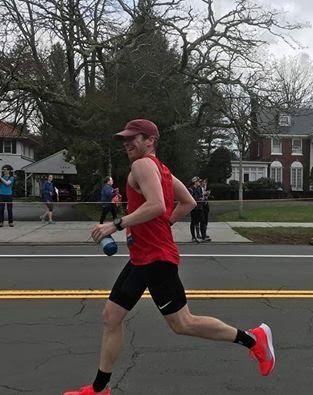
As we say farewell, but not goodbye, to Boston today, one last photo from #Boston2019 taken by Andrew‘s teammate, Carolyn Yang. The photo is a favorite because he’s smiling, something we don’t get to see from our perch at the 23nd mile when he’s grinding to get to the finish line.
March Friday morning coffee shop musings. The usual cast of characters are here.
This one guy comes in maybe once a week with his 3-year-old, incredibly adorable, thickly be-speckled son. The toddler marches with purpose toward the counter while Dad ushers from behind lest he get distracted by many of us who just want to say hi to this little guy. For the better part of a year now, because I can’t help myself, I have listened intently as this awesome dad talks to his child. He is kind, instructive, and all about the boy. Not on his phone, not chatting with others, just talking to his son. Makes me smile every time.
The retired lawyer lady is here, too, holding court as she does almost every day with passers-by who stop to chat. She annoys the hell out of me for a couple of reasons. Every day, for the past five years, she pulls the only two wing-back chairs in the place together and plops her feet up on them after she has dragged them into the aisle closer to the fire. Every. Damn. Day. Then, she starts on her list of calls. Maybe the pharmacy today. Perhaps her accountant the day before that.
I forgot to mention – she is a loud talker. I have the unwelcome knowledge of what medication she takes. I know what she ate last night. Hell, I know that she is stopping by the grocery store for strawberries later today. I know she’s loudly complaining to her phone buddy that she is too busy to meet up for lunch next week. I know more about her day than I do my husband’s at this point. I don’t want to know, but I do, because she is annoying as hell.
Then, there is the surly cashier who has never warmed up to me. I don’t know why, because I am a freaking nice person. And she’s not having a bad day because she is chatty Cathy with the person behind me and, if I’m being honest, the person in front of me. I have tried smiling. I have tried asking about her day.
I’m trying hard to employ the advice in a book I’m reading called The Life Changing Magic of Not Giving a F*ck, which this cashier has most certainly read.
Unfortunately, I’m failing sorely with Loud Talking Lawyer Lady and Surly Sally here. Fact is, I AM giving a flying f*ck and it’s killing my happy Friday buzz because I can’t concentrate. Mostly because I’m nosy, but still.
The eight elderly men have just come in and gathered at the community table right next to me and I take note that these eight gentlemen, talking over each other and carrying on multiple conversations simultaneously, are making less noise than the loud talker. They appear to have gathered just for the hell of it. I love them. Plus, they called me young lady, so they had me at that.
I contemplate whacking loud talker with my cane on my way out, but remember at 10 weeks post op, I forget my cane in the car more than I remember it. Gotta take the good with the bad. Not walking with a cane and avoiding assault charges? Priceless.











 With Pennsylvania’s lawmakers overriding their own governor’s stay-at-home orders, we are soon to be in a situation akin to the meme I saw a few days ago about how designating a “peeing section of the pool” is about as effective as a state-by-state approach is going to be.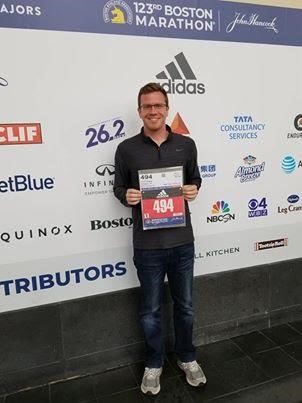
 March Friday morning coffee shop musings. The usual cast of characters are here.
 Christine Anne Scott